
Authentic Moroccan Rice Recipe
Every grain of authentic moroccan rice carries stories. Think of the golden Basmati simmering with turmeric, or the way ras el hanout spices hug each kernel. This moroccan rice recipe isn’t just a dish—it’s a bridge to a culture.
Imagine serving this traditional moroccan rice dish alongside grilled meats or vegetable stews. Just as families do in Fes’ narrow alleys. It’s comforting, yes—but also a chance to bring the world’s flavors home.
FAQ
What is an authentic Moroccan rice recipe?
An authentic Moroccan rice recipe combines fragrant spices, vegetables, and sometimes dried fruits or proteins. It creates a dish that reflects the harmonious balance of sweet and savory flavors typical in Moroccan cuisine.
How can I make this Moroccan rice recipe easier for home cooking?
You can make the recipe easier by soaking the rice or using a rice cooker. These adaptations fit a busy lifestyle while still resulting in delicious and flavorful Moroccan rice.
What type of rice should I use for my Moroccan rice dish?
Long-grain varieties like basmati rice are often preferred for their fragrance and the ability to keep grains separate. Medium-grain rice can also work well for a more cohesive texture absorbing the spices beautifully.
What spices are essential in Moroccan rice recipes?
Key spices include cumin for earthiness, cinnamon for warmth, turmeric for its vibrant color, and potentially a hint of saffron for luxury. These spices create the distinctive flavor profile that defines Moroccan dishes.
Can I customize the vegetables in my Moroccan rice dish?
Absolutely! Embrace seasonal or available vegetables like zucchini, sweet carrots, and bell peppers. Vegetable additions not only enhance flavor but also make the rice dish visually stunning and more nutritious.
What are some delicious side dishes to serve with Moroccan rice?
Fresh salads such as cucumber-tomato or carrot salad with orange blossom water pair beautifully. Additionally, Moroccan dips like zaalouk or besara provide delightful contrasts to the rich, aromatic rice.
How do I store and reheat leftover Moroccan rice?
Store leftovers in airtight containers in the refrigerator. For reheating, use a sprinkle of water and cover them while microwaving or on the stovetop to maintain moisture and flavor.
Are there health benefits associated with Moroccan rice ingredients?
Yes! Many spices used in Moroccan rice, like turmeric and cinnamon, have beneficial properties. Whole grain rice varieties provide added nutrients and fiber that enhance overall health.
How can I adapt Moroccan rice recipes with local ingredients?
Look for similar flavor profiles and seasonal vegetables in your local market. Substituting preserved lemons with lemon zest and salt is just one way to maintain authentic taste, even when adapting ingredients.
How has Moroccan cuisine gained popularity in America?
The growing appreciation for global flavors has led to Moroccan dishes, including various Moroccan rice recipes, becoming more common in restaurants and home kitchens across the U.S.
Moroccan Cuisine
Exploring Moroccan cuisine is like diving into a colorful world of cultures.
The Importance of Rice in Moroccan Dishes
Rice is more than a side dish—it’s the star in many moroccan rice recipe dishes. It soaks up the flavors of saffron, turmeric, and golden raisins. Each grain promises to become fragrant moroccan rice, ready to hold tender apricots or toasted almonds.
Flavor Profiles in Moroccan Cooking
Imagine the flavors that mix on your tongue: cinnamon’s warmth, turmeric’s earthiness, and a hint of ginger. Our kitchen fills with these scents as we mix spices in a flavorful moroccan rice. Here’s how we do it:
- Start with sautéed onions and garlic as the base.
- Blend coriander, cardamom, and black pepper into a spice medley.
- Fold in dried apricots or golden raisins for natural sweetness.
Key Ingredients for Moroccan Rice
Let’s explore the key ingredients that make the best moroccan rice recipe. Every choice is important, from the rice to the veggies. These elements create authentic moroccan rice that brings North Africa to your table.
Types of Rice Used in Moroccan Recipes
Basmati rice is my favorite for its light and fluffy texture. It keeps each grain separate, perfect for moroccan spiced rice. Long-grain rice stays light, while medium-grain is creamier.
Remember, couscous is not rice—it’s a pasta! For the best results, pick fresh and easy-to-find options. Basmati rice adds a unique aroma that other grains lack.
Spices That Make It Unique
Spices are where the magic happens. Here’s your flavor toolkit:
- Cumin seeds toasted in a dry pan for 2 minutes—this wakes up their earthy warmth
- Coriander for a citrusy lift
- Cinnamon for subtle sweetness
- Turmeric for golden color and mild peppery notes
A sprinkle of saffron adds luxury but isn’t essential. Toasting spices before adding them boosts their essence. It’s like unlocking a Marrakech market’s scent in your kitchen.
Common Vegetables in Moroccan Rice
Vegetables make rice into a complete meal. Bell peppers, zucchini, and carrots add crunch and color. I also toss in chickpeas or raisins for sweetness.
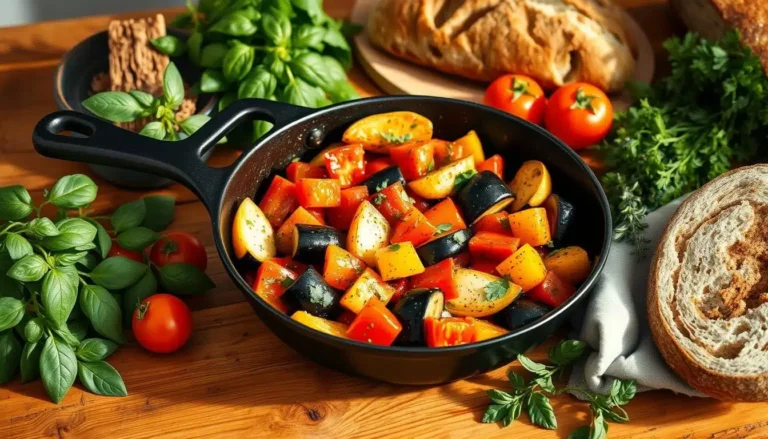
Swap in seasonal finds like eggplant, spinach, or roasted tomatoes. These veggies carry the spices, making your dish unforgettable.
Preparing Moroccan Rice: Step-by-Step
Let’s explore the easy moroccan rice recipe. Here’s how I balance tradition with simplicity:
Washing and Soaking the Rice
- Rinse 1½ cups basmati rice under cold water for 2 minutes. Gently rub grains between your fingers until water runs clear. This removes excess starch, making the authentic moroccan rice fluffy.
- Soak rice in fresh water for 15 minutes. This softens the grains, allowing them to soak up spices fully. Even if you’re in a hurry, 10 minutes will do—a small tweak to keep this the best moroccan rice recipe easy.
Cooking Techniques: Stovetop vs. Rice Cooker
Choose your method based on what feels right for you:
| Method | Steps |
|---|---|
| Stovetop: | In a pot, heat 2 tbsp butter. Sauté ½ cup onions until golden, then add spices. Add soaked rice and broth—cover and simmer for 15-18 minutes. Let rest 10 minutes. |
| Rice Cooker: | Blend sautéed aromatics with rice, then follow cooker instructions. Stir in ¼ cup toasted almonds at the end for crunch. |
Traditional Moroccan Rice Variations
Exploring new twists on your favorite moroccan rice pilaf recipe is exciting.
Chicken and Apricot Moroccan Rice
This easy moroccan rice recipe always brightens my kitchen. Start by searing chicken thighs with cinnamon and cumin. Then, add dried apricots and saffron-infused rice. The apricots add a natural sweetness that balances the spices.
Vegetable Moroccan Rice for a Healthier Twist
This veggie-packed version is perfect for lighter meals. Here’s how to make it:
- Caramelize onions and bell peppers until golden
- Add roasted zucchini, carrots, and chickpeas
- Stir in saffron and cumin before folding in the rice
| Nutrient | Per Serving |
|---|---|
| Protein | 25g |
| Fiber | 22g |
| Iron | 10mg |
| Total Time | 40 mins |
Finish with a squeeze of preserved lemon for brightness. It’s a delicious moroccan rice recipe that’s both nourishing and satisfying.
Spicy Shrimp Variation
Seafood fans will love this coastal twist. Marinate shrimp in garlic, paprika, and a bit of harissa. Cook them briefly to avoid toughness. The tang of preserved lemon balances the spice, making this moroccan rice recipe unforgettable.
Essential Cooking Tools
Let’s talk tools! Making the best moroccan rice recipe doesn’t need a lot of special items.
A Few Go-To Pots and Pans
A heavy pot, like a Dutch oven, is perfect for a moroccan rice pilaf recipe. My top choice is the Le Creuset Signature Enameled Cast Iron Cooker. It heats evenly, so your rice won’t burn. If you like lighter options, a deep saucepan with a tight lid works great too. But, stay away from flimsy pans as they can burn your rice.
Utensils Magic
- Wooden spoon: Great for stirring without scratching pots while toasting spices
- Measuring cups: Help you get the right rice-to-liquid ratio (I use 1:2 for basmati)
- Long-handledd fork: Fluffs grains gently after cooking—important for that light pilaf texture
Start with what you have. We’ve all made a easy moroccan rice recipe in a standard pot!
How to Infuse Flavor into Rice
To craft flavorful moroccan rice, I’ve learned two secrets. The liquid you cook with and the aromatics that greet your pan are key. Let these steps become your kitchen’s secret handshake with tradition.
Using Stock Instead of Water
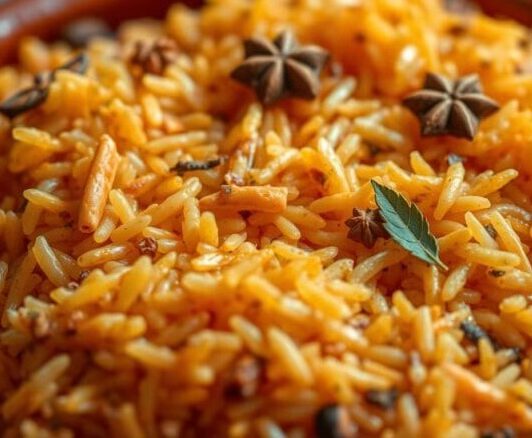
Swap water for stock to give your rice a soul-warming backbone. I use vegetable stock for vegetarian delicious moroccan rice recipe or chicken stock for a savory depth. Stir in a cinnamon stick or a pinch of saffron into the broth before cooking.
My favorite shortcut? A mix of vegetable broth and orange juice adds brightness without complexity.
The Role of Sautéed Onions and Garlic
Golden onions are the quiet hero of authentic moroccan rice. Heat 2 teaspoons of olive oil, then cook diced onions until they soften and blush with gold. Add minced garlic last—30 seconds is all it needs to sing without burning.
This base becomes the canvas for spices like cumin and turmeric, which cling to the onions’ sweetness.
Pro tip: Stir in 3 tablespoons of fresh mint or cilantro at the end. It’s the finishing touch that makes your rice fragrant moroccan rice.
Side Dishes to Pair With Moroccan Rice
- Cucumber-Tomato Salad: Toss sliced cucumbers and cherry tomatoes with lemon juice, olive oil, and preserved lemons for tangy brightness.
- Carrot Salad: Grate carrots and toss with orange blossom water, honey, and a sprinkle of cinnamon—this sweet-savory mix pairs perfectly with our moroccan rice recipe.
- Roasted Veggie Platter: Roast bell peppers, zucchini, and eggplant with cumin. Serve warm or at room temperature for a smoky contrast to cool rice.
My kitchen always has these staples for sharing:
- Zaalouk: Smoky eggplant and tomato dip with garlic and paprika—try it drizzled over delicious moroccan rice recipe.
- Bessara: Creamy fava bean dip with cumin and olive oil. It’s a Ramadan favorite in my household.
- Taktouka: Chopped tomatoes, green peppers, and parsley blended with olive oil—serve it warm for depth.
| Side | Serving Size | Pairing Tip |
|---|---|---|
| Cucumber-Tomato Salad | ½ cup/person | Sharp lemon notes cut through rice’s richness |
| Zaalouk | ¼ cup/person | Share in small bowls for communal dipping |
| Roasted Veggies | 3 oz/person | Toast nuts like pine nuts for extra crunch |
For halal-friendly options, explore Moroccan-inspired salads using chickpeas or quinoa.
Serving Suggestions for Moroccan Rice
“I vividly remember sitting in a cozy riad, surrounded by the rich aromas of saffron, cumin, and cinnamon. The presentation of that traditional moroccan rice dish made every bite feel like a celebration.”
Think of the table as a canvas when serving your authentic moroccan rice.
A wide ceramic platter or earthenware tagine bowl is perfect. It lets the vibrant colors of the moroccan spiced rice shine.
Traditional Serving Dishes and Presentation Tips
A tagine pot or shallow earthenware platter works beautifully. Arrange the rice in the center, then nestle roasted vegetables or proteins around it like petals.
Pair with a vibrant fresh salad or a warm bread basket.
- Use a wide platter for even heat retention
- Arrange toppings in concentric circles
- Serve with warm mint tea for contrast
Garnishing for Visual Appeal
Even small touches elevate the meal. Here’s how to make every spoonful a delight:
| Garnish | How to Use | Why It Works |
|---|---|---|
| Cilantro | Chopped finely and sprinkled | Brings fresh herbal notes and bright green contrast |
| Pine nuts | Toast lightly and scatter | Crunchy texture and nutty warmth |
| Preserved lemon | Sliced thinly around the edges | Salt and citrus zing that balances rich flavors |
A sprinkle of toasted almonds or a drizzle of harissa paste adds depth.
Tips for Meal Prepping Moroccan Rice
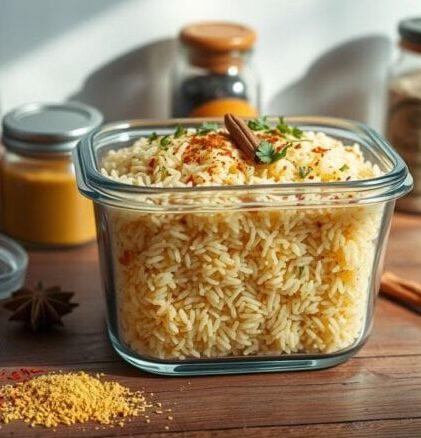
Meal prepping with flavorful moroccan rice is a game-changer for busy kitchens. Here’s how to keep your best moroccan rice recipe fresh all week. Cool the rice completely on a baking sheet before storing—it prevents clumping and keeps grains separate.
Here’s my simple system for success:
- Store in airtight glass containers—plastic works too, but glass holds onto that warm cumin scent better
- Keep refrigerated for up to 4 days. Beyond that, freeze portions for up to a month
- Add a splash of broth when reheatingting to prevent dryness
Making It Shine Again
Reheat leftover rice gently on the stove with a spoonful of broth, or microwave in 20-second bursts. Before serving, toss with fresh parsley or a lemon wedge to revive that delicious moroccan rice recipe vibrancy. My secret? A quick stir with warm olive oil brings back that buttery texture.
Pro Meal Prep Hacks
Double the recipe and portion into family-sized containers. Add proteins like grilled chicken or chickpeas separately to keep textures crisp. Need a shortcut? Prep the spice mix ahead and store in a jar for 2 weeks.
Health Benefits of Moroccan Ingredients
The spices in this traditional moroccan rice dish are more than just flavor. They’re a mix of nature’s healing powers.
Whole grains like couscous or brown rice in the moroccan rice recipe give you lasting energy. A 100g serving has 7g of plant-based protein and fiber, helping with digestion.
- Turmeric: Its golden color comes from curcumin, a strong anti-inflammatory. In my moroccan spiced rice, it’s like a gentle hug for your joints.
- Cinnamon: This sweet spice helps control blood sugar levels, helping those who watch their energy swings.
- Cumin: A bit of cumin helps with digestion and adds iron for energy. That’s why I always have a jar on hand.
| Ingredient | Nutritional Highlight |
|---|---|
| Turmeric | Anti-inflammatory curcumin supports joint and brain health. |
| Couscous | 7g protein/100g cooked + fiber for steady energy. |
| Garlic | Natural immunity booster with antiviral properties. |
Every spoonful of this moroccan rice recipe is a mix of tradition and science. The veggies like carrots and zucchini add vitamins. Olive oil’s healthy fats keep your heart happy.
Small changes like choosing whole grains or adding fresh herbs make every dish healthier.
Exploring Moroccan Rice in American Kitchens
Bringing authentic moroccan rice to your kitchen is easy. I’ve learned to use what’s local and keep the essence of dishes like moroccan rice pilaf recipe alive. Even without a specific spice or vegetable, you can substitute with butternut squash for dried apricots or zucchini in summer. Every change is a chance to make the best moroccan rice recipe your own.
When I first tried authentic moroccan rice, I worried about finding rare ingredients. Now, I use lemon zest mixed into oil instead of preserved lemons. I also swap ground spices like cumin and paprika for ras el hanout. Here’s what works:
| Traditional | U.S. Swap |
|---|---|
| Preserved lemons | Lemon zest + salt |
| Harissa | Chili flakes + tomato paste |
| Dried apricots | Raisins or cranberries |
Rice Select Pearl Couscous makes it even easier.
Conclusion: Bringing Morocco to Your Table
Every grain of authentic Moroccan rice holds the warmth of shared stories and generations of cooking.
Embracing Cultural Diversity Through Food
Gordon Ramsay’s praise for Moroccan cuisine shows that dishes like authentic Moroccan rice are more than food—they’re invitations.
Final Thoughts on Making Moroccan Rice at Home
Making this delicious Moroccan rice recipe for 6 people takes just 1 hour. It blends 20 minutes of prep with 40 minutes of slow cooking. Let small mistakes like uneven almonds or raisins add to the journey.
![an image of [tajin chamoy] dish presented in a table](https://www.passionofcooking.com/wp-content/uploads/2026/01/tajin-chamoy-dish-768x576.webp "Tajin Chamoy: The Vibrant Mexican Condiment Combination 3")