Moroccan Zaalouk: A Delicious Eggplant Dip Recipe
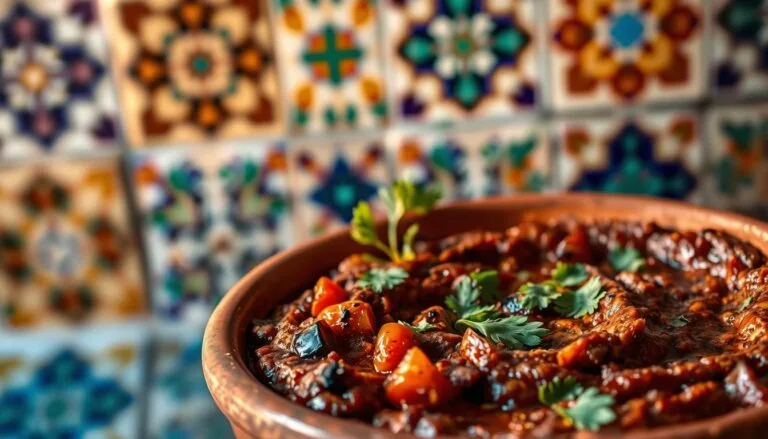
There’s something magical about dishes that turn simple ingredients into something unforgettable. Like the moment I first tasted Moroccan zaalouk. The smoky, tangy flavor of roasted eggplant mixed with bright tomatoes and warm spices felt like a hug from a faraway kitchen.
This authentic zaalouk recipe isn’t just a dip. It’s a story of shared tables and laughter. The kind that warms both belly and heart.
This dish needs just 10 minutes of prep but rewards patience.
FAQ
Can I Use Other Types of Eggplants?
Absolutely! You can use Italian, Japanese, or Chinese eggplants for a different taste. Just pick fresh, firm ones with shiny skin.
How Long Can Zaalouk Last in the Fridge?
Moroccan Zaalouk stays good for 3-4 days in the fridge if stored right. It tastes even better after a day or two.
Is Zaalouk Suitable for Vegan Diets?
Yes, it’s vegan! Zaalouk uses veggies, herbs, and spices, making it perfect for plant-based diets.
What Should I Serve with Zaalouk?
Serve it with Moroccan bread like khobz or pita. It also goes well with grilled meats, fish, and salads.
Can I Make Zaalouk Spicier?
Definitely! Add more cayenne pepper or spicy paprika for heat. Taste and adjust slowly to get it just right.
How Should I Store Leftover Zaalouk?
Cool it down, then put it in a shallow airtight container. A bit of olive oil on top keeps it fresh.
Can Zaalouk Be Made Ahead of Time?
Yes, making it ahead is a great idea! It gets even tastier after a day, perfect for meal prep or parties.
How Can I Add More Nutrients to Zaalouk?
Add cooked chickpeas, grated zucchini, or diced carrots for more nutrients. They also make the dish more interesting.
What is Moroccan Zaalouk?
Origin and Cultural Significance
Zaalouk’s history goes back centuries, rooted in Moroccan farms. It’s often enjoyed with warm bread during Ramadan or as a communal starter.
Common Ingredients Used
| Ingredient | Quantity |
|---|---|
| Eggplant | 1 large |
| Tomatoes | 4 large |
| Garlic | 3 cloves |
| Olive oil | ¼ cup |
| Cumin | 1 tsp |
| Paprika | 2 tsp |
Using ripe eggplants and quality olive oil makes a big difference. For a spicy kick, a bit of green chili can be added.
Health Benefits of Eggplants
Nutritional Profile
| Ingredient | Nutrient Highlight |
|---|---|
| Eggplant | 20 calories/100g | 3g fiber | 229mg potassium |
| Tomatoes | 13.7mg vitamin C | 237mg potassium |
| Olive Oil | 73% monounsaturated fats |
Health Advantages
- Heart care: Olive oil’s healthy fats and eggplant fiber support heart health.
- Digestive ease: 4.5g fiber per serving helps with regularity and feeling full.
- Antioxidant boost: Eggplant’s anthocyanins and tomato lycopene (amplified by cooking) fight oxidative stress.
- Brain & bone support: Eggplant’s nasunin protects neurons; herbs add calcium for strong bones.
Traditional Cooking Methods
Learning to make an authentic zaalouk recipe means mastering its cooking methods.
Grilling vs. Steaming
Choose your method based on flavor:
- Grilling: Char the eggplant over an open flame until the skin is black. This adds a smoky flavor. (450°F oven works too!)
- Steaming: A gentler way that keeps the natural sweetness. Perfect for beginners.
- Boiling: Quick but softer flavor. Ideal for summer.
Use of Spices
| Spice | Role | Tip |
|---|---|---|
| Cumin | Earthy foundation | Toast seeds lightly for deeper flavor |
| Paprika | Sweet/smokey depth | Blend sweet and smoked types for complexity |
| Cayenne | Gentle heat | Start with ¼ tsp, adjust to taste |
For zaalouk with cumin and paprika, balance is key. Add fresh cilantro for brightness.
Step-by-Step Zaalouk Recipe
Let’s start by gathering the ingredients for this moroccan zaalouk recipe. Here’s what you’ll need:
- 1 large eggplant (heavy, shiny skin)
- 4 Roma tomatoes (peeled and chopped)
- 3 garlic cloves (minced)
- ¼ cup fresh cilantro & parsley (chopped)
- 1 tbsp paprika + 1 tbsp cumin
- ½ tsp cayenne (optional)
- ¼ cup olive oil
- 1 lemon (juice only)
- Salt to taste
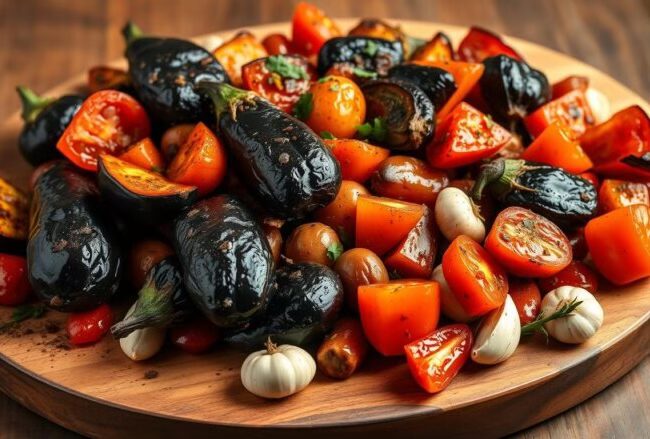
Start by preparing the eggplant. I love roasting mine whole for that smoky depth. Place it on a baking sheet, drizzle with oil, and roast at 400°F for 20-25 minutes until soft. Once cooled, scoop out the flesh and set aside. Meanwhile, blanch tomatoes in boiling water to peel them easily—this step makes all the difference in texture.
Heat olive oil in a pot, sauté garlic until fragrant, then add spices. Add eggplant, tomatoes, and ⅓ cup water. Simmer covered for 20 minutes, stirring gently. Uncover and mash with a spoon to desired chunkiness. Stir in lemon juice and fresh herbs. Cook uncovered 10 more minutes to thicken.
Pro tip: Let it rest for 30 minutes before serving. It’s even better the next day! This how to make zaalouk method creates a velvety dip perfect with warm pita or crusty bread.
Tips for Perfecting Your Zaalouk
Creating an authentic zaalouk recipe starts with the right ingredients and flavors. Let’s dive into how to make your moroccan eggplant salad stand out with these easy tips.
Choosing the Right Eggplants
When picking eggplants, look for vibrant stems and firm, smooth skin. Here’s what to keep in mind:
- Weight & Firmness: Heavy eggplants are juicier and less bitter.
- Stem Check: A bright green stem means freshness. Wilted stems are older.
- Size Matters: Medium-sized (1.5 lbs) globe or Italian eggplants are best. Avoid big ones, as they can be seedy.
Adjusting Spice Levels
Spices are a matter of personal taste. Here’s how to adjust the heat and depth:
| Flavor Profile | Cumin | Paprika | Cayenne |
|---|---|---|---|
| Mild & Sweet | 1 tsp | Sweet paprika (1.5 tsp) | ¼ tsp |
| Spicy Kick | 1.5 tsp | Smoked paprika (1 tsp) | ½ tsp |
| Traditional Balance | 1 tsp | 1 tsp | ¼ tsp + pinch of harissa |
Tip: Taste as you go—add spices gradually and let flavors meld for at least 30 minutes before serving.
Enjoy your moroccan eggplant salad with crusty bread for a complete meal.
Serving Suggestions
There’s an art to presenting zaalouk that honors its roots as a healthy moroccan side dish while inviting creativity.
- With bread: Tear warm khobz or pita into pockets for scooping. For a modern twist, try naan brushed with garlic butter.
- At mezze tables: Let it shine alongside olives, pickled veggies, and fresh herbs. A drizzle of lemon juice adds brightness.
- As a main meal: Serve over couscous or grilled proteins like lamb or fish for a protein-packed plate.
- Health-focused pairings: Pair with green salads or roasted veggies to balance its smoky depth.
The 8g of fiber per serving makes it a nourishing choice—perfect for those seeking healthy moroccan side dish options. Keep it classic with mint tea and olives, or innovate with modern twists.
Storing Leftover Zaalouk
The moroccan zaalouk recipe gets better with age. Here’s how to keep your dish at its best:
Refrigeration Guidelines
- Cool the moroccan eggplant salad fully to room temperature before storing.
- Transfer to a shallow glass container—this helps flavors meld evenly.
- Seal tightly. Add a drizzle of olive oil on top to lock in freshness.
Keep it in the fridge for up to 4 days. The spices will blend, making each bite more comforting.
Reheating Tips
- Gently rewarm on low heat with a splash of water to keep it silky.
- For a cozy twist, spoon leftovers into a greased pan, crack eggs over the top, and bake until set—a quick shakshuka-style treat.
- Serve at room temperature for peak flavor. Let it sit out 30 minutes before enjoying.
Freezing is also an option! Portion into freezer-safe containers and store up to 3 months. Thaw overnight in the fridge before reheating. While texture may soften slightly, the rich, smoky essence remains intact. Adjust spices lightly when reheating if needed.
Let this moroccan zaalouk recipe rest—its flavors will reward you with patience. Whether cold on toast or warmed with eggs, it’s a dish that grows deeper with time.
Variations of Zaalouk
Here’s how to make this healthy moroccan side dish your own:
- Vegetable Playlists Roast bell peppers alongside eggplant for a rainbow of sweetness. Try shredded zucchini for summer freshness, or toss in diced carrots for earthy depth. For heartier meals, stir in chickpeas—they turn this dip into a protein-packed main course.
- Dietary Love Notes Serve with gluten-free socca (chickpea flatbread) or cucumber slices. Skip garlic? A pinch of asafoetida adds savory depth. For nightshade-free versions, swap tomatoes with roasted butternut squash.

Preserved lemon rind or briny olives can add tangy contrasts to this vegetarian moroccan recipe.
Zaalouk in Moroccan Cuisine
At Moroccan meals, zaalouk pairs with tagines and couscous, offering bold flavors and comfort.
Role in Traditional Meals
Zaalouk is a highlight of the kemia, the appetizer spread. It awakens the taste buds for the main courses. During Ramadan, it’s a favorite authentic zaalouk recipe for breaking fast, being both easy to digest and nourishing.
Popularity in Moroccan Households
Zaalouk is a weekly tradition in Moroccan homes. My dad roasted eggplants on Fridays, a sign of the weekend. Families make it their own, adding chili flakes or extra garlic. A chef in Marrakech said, “The best zaalouk tastes like home.”
Conclusion: Enjoy Your Moroccan Zaalouk!
As you explore the moroccan zaalouk recipe, remember it’s more than just ingredients.
Feel free to add your own twist. Maybe a bit more cumin or a pinch of chili. Pair it with couscous for a unique touch.
Let Your Creativity Shine
Cooking this how to make zaalouk dish is a chance to honor tradition while making it your own. Try adding a squeeze of lemon or roasting peppers with the eggplant.
This recipe is light, with only 120 calories per serving. It’s perfect for any meal.