Homemade Cavatelli
There’s something magical about shaping dough into little ridges and curves with your own hands. This is what draws me to Italian pasta recipe traditions like DELICIOUS HOMEMADE CAVATELLI. Growing up, my kitchen was always filled with the scent of semolina flour and the soft clink of rolling pins.
Authentic pasta dishes like cavatelli aren’t just about technique—they’re about connection. This guide will walk you through transforming semolina and water into something tender and personal.
FAQ
What is cavatelli and how is it different from other pasta types?
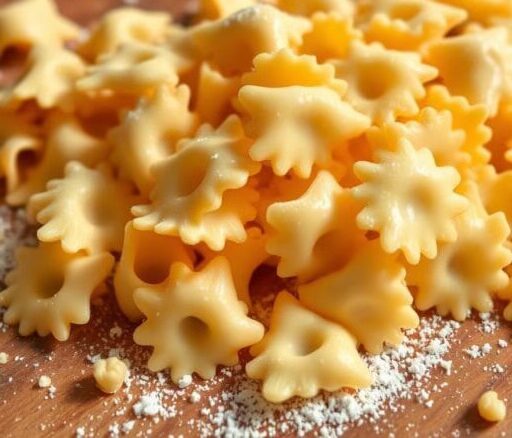
Cavatelli is a unique pasta shape that looks like small shells. It’s great for holding onto sauces. Unlike flat pastas, cavatelli has a groove that captures flavors well. This makes it a favorite in many Italian dishes.
Can I make homemade cavatelli without special equipment?
Absolutely! You don’t need fancy tools to make cavatelli. Just use simple kitchen items like a fork or the back of a knife. The key is to enjoy the traditional pasta making process with your hands.
What ingredients are required for making cavatelli dough?
To make cavatelli dough, you need all-purpose flour, water, and a pinch of salt. This simple mix creates a beautiful dough. You can also add egg or semolina flour for extra flavor and texture.
How long does it take to make cavatelli from scratch?
Making cavatelli from scratch takes about an hour. It depends on how fast you mix and shape the dough. It’s a great way to improve your cooking skills and make comforting meals.
What are some popular sauces to serve with cavatelli?
Cavatelli goes well with many sauces! Try classic tomato sauce, creamy Alfredo, or vibrant pesto. Each sauce highlights the pasta’s unique shape and texture, letting you explore different pasta dishes.
Can I freeze homemade cavatelli for later use?
Yes, you can freeze homemade cavatelli! Lay them on a baking sheet to freeze, then put them in a freezer-safe bag. They last for months and are perfect for when you want fresh pasta without the prep time.
What are the nutritional benefits of cavatelli?
Cavatelli can be part of a healthy meal, especially when made with good ingredients. Making it yourself lets you control the ingredients. This way, you can make a dish rich in nutrients by pairing it with fresh veggies and healthy sauces.
How can I ensure my homemade cavatelli turns out perfectly every time?
For perfect cavatelli, focus on the dough’s texture. It should be smooth and elastic but not sticky. Avoid overworking the dough or using too much flour. Experiment to find what works best for you!
What is Cavatelli?
A Brief History of Cavatelli
Cavatelli comes from Abruzzo and Apulia. It’s a mix of simplicity and creativity. The name “cavatelli” means “hollow.” It describes the way the pasta holds sauce.
The Difference Between Cavatelli and Other Pasta Types
So, what makes cavatelli special? Let’s look:
- Shape: Its ridges and curves trap sauce, unlike smooth spaghetti.
- Texture: It’s light yet sturdy, perfect for hearty dishes.
| Pasta Type | Shape | Sauce Pairing |
|---|---|---|
| Cavatelli | Ridged crescent | Chunky tomato or pesto |
| Spaghetti | Smooth cylinder | Light olive oil or marinara |
| Rigatoni | Tube with ridges | Meat-based sauces |
Ingredients for DELICIOUS HOMEMADE CAVATELLI
Let’s break down what makes homemade pasta dough so special.
Essential Ingredients You’ll Need
- “00” flour: The star of our fresh pasta foundation, giving the dough its silky texture.
- Eggs: Nature’s binder, holding the dough together with golden warmth.
- Salt: A pinch to awaken the flavors, just like a hug for your ingredients.
- Semolina flour (optional, but a pro tip for drying shaped pasta).
Optional Add-ins for Flavor
Here’s where creativity shines. Try these gentle upgrades:
- Herbs: A sprinkle of basil or rosemary whispers of Italian gardens into your pasta from scratch.
- Spinach purée: Turn your dough green—like spring in every bite.
- Olive oil: Adds richness without overwhelming the dish.
“Adding a dash of nutmeg once gave my cavatelli a cozy, nostalgic taste—like my Nonna’s kitchen.”
Tools and Equipment Needed
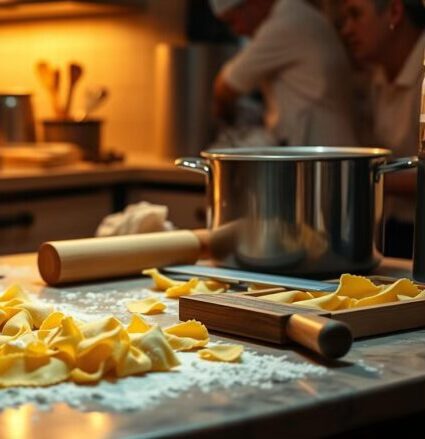
A wooden board, fork, and rolling pin are all you need to make tender cavatelli.
Kitchen Equipment to Make Cavatelli
Here’s what you’ll use most:
- A smooth cutting board or pasta board for kneading dough
- A fork or specialized cavatelli tool for shaping
- A clean kitchen towel to keep dough from drying out
Helpful Tools for Shaping Pasta
A fork is my top choice. Its ridges press into dough like a cavatelli tool, creating those signature ridges. If you’re interested in specialized gear, a wooden pasta board with indentations is a good investment. It connects you to traditional pasta making traditions.
But remember, your hands are your best tool. I’ve made pasta with just a plate and butter knife, and it was delicious. Every pot and pan in your kitchen has a role. A colander for draining, a large pot for boiling, and even a spoon for tossing sauce are all part of the ritual.
Step-by-Step Guide to Making Cavatelli
Start your Homemade Cavatelli journey with gentle hands and open curiosity.
Mixing the Dough
Begin by whisking 2 cups of flour and a pinch of salt. Make a well, then crack in 3 eggs. Slowly pull the flour into the yolks.
Knead until the dough feels silky but firm. This is your canvas for creativity. If it’s too sticky, dust with flour. Too dry? A drop of water can balance it.
Shaping the Cavatelli
Divide the dough into portions. Roll each piece thin, then cut into 1-inch bits. Here’s how to shape them:
| Step | Action | Tip |
|---|---|---|
| 1 | Pinch dough between thumb and fork | Press lightly, letting ridges form naturally |
| 2 | Roll pieces forward on the fork | Think of it as a gentle dance between tool and dough |
Cooking the Cavatelli
Bring salted water to a rolling boil. Add shaped pasta and stir gently. Watch as they pirouette—when they float, they’re done.
Taste a piece to check for al dente perfection. Drain, then toss in sauce right away.
Popular Sauces to Pair with Cavatelli
Let’s look at some flavors that make your homemade cavatelli a true masterpiece.
Classic Tomato Sauce
This sauce is a tribute to tradition. It’s made with slow-cooked tomatoes, garlic, and rosemary. A drizzle of extra-virgin olive oil adds a special touch. The cavatelli’s ridges perfectly hold the sauce.
Creamy Alfredo Sauce
This sauce is rich and smooth, like a warm hug. It’s made with fresh parmesan, butter, and cream. Adding a bit of lemon zest lightens it up. It’s the ultimate comfort food.
Pesto Options
Pesto is like a summer day in a bowl. Classic basil pesto is a favorite, with garlic and pine nuts. Try sun-dried tomato pesto for depth or walnut pesto for a nutty twist. The cavatelli’s ridges catch every herb.
| Sauce | Flavor Profile | Pairing Tip |
|---|---|---|
| Classic Tomato | Tomato-forward with herbal depth | Top with fresh basil leaves and grated pecorino. |
| Creamy Alfredo | Creamy and savory with dairy richness | Finish with cracked black pepper for contrast. |
| Herb Pesto | Herby, bright, and slightly peppery | Stir in roasted red peppers for a modern touch. |
Tips for Perfect Cavatelli Every Time
Mastering traditional pasta making takes time and effort. Even I’ve had my share of pasta-making mishaps. My dough was too sticky at first, but I learned how to fix it. Let’s go over some common problems together.
Common Mistakes to Avoid
| Mistake | Fix |
|---|---|
| Overkneading the dough | Knead just until smooth—8-10 minutes max. |
| Ignoring resting time | Let dough rest 20-30 minutes to relax gluten. |
| Rushing shaping | Patience! Roll slowly to avoid tearing delicate dough. |
How to Achieve the Right Texture
- Check dough softness: It should feel like a baby’s cheek—supple but not sticky.
- Shape test: Pinch edges gently; they should hold without crumbling.
- Cook briefly: 2-4 minutes in salted water—al dente is key.
If the dough feels too dry, just add a little water. And don’t forget, having the right ingredients on hand helps a lot.
Storing and Freezing Homemade Cavatelli
Best Practices for Storage
For fresh pasta to cook in 2–3 days:
- Spread cavatelli on a clean kitchen towel to air-dry for 15 minutes.
- Layer in an airtight container with parchment paper between layers.
- Keep refrigerated—store in the crisper drawer for best results.
How to Freeze Cavatelli for Later Use
Try this method:
- Let cavatelli dry completely on a wire rack.
- Divide into meal-sized portions and seal in freezer bags.
- Label with dates and thaw overnight in the fridge before cooking.
| Method | Steps | Notes |
|---|---|---|
| Refrigeration | Air-dry then layer in containers | Use within 3 days |
| Freezing | Portion and freeze flat | Keeps up to 3 months |
Nutritional Benefits of Cavatelli
When we make homemade cavatelli, we’re not just making pasta. We’re taking care of our bodies and souls.
Healthy Ingredients for a Balanced Meal
Simple ingredients make up cavatelli:
- Whole wheat flour adds fiber and slow-burning carbs.
- Eggs provide protein and vitamins to keep you energized.
- Hand-rolled shapes let you sneak veggies like spinach or squash into the dough for extra nutrients.
Adding fresh herbs or roasted veggies as toppings boosts flavor and vitamins without added sugars or preservatives.
Nutritional Value Compared to Other Pastas
Homemade cavatelli is healthier than boxed pasta, especially when made with whole grains or alternative flours. Here’s why:
- Authentic pasta dishes avoid additives found in store-bought options.
- You control salt and fat content—like using olive oil instead of butter.
- Smaller portion sizes when made fresh mean mindful eating.
Serving Suggestions for Cavatelli
Here’s how to make it stand out.
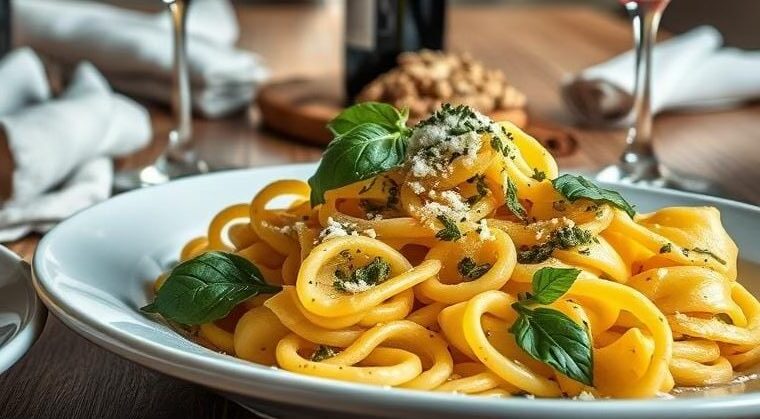
Creative Ways to Serve Cavatelli
Cavatelli is like a blank canvas. Here are some ideas to make it yours:
- Top with a citrus-garlic sauce and toasted pine nuts for a light spring meal.
- Layer with roasted cherry tomatoes, basil, and a drizzle of balsamic glaze.
- Add a protein boost with pan-seared shrimp or crispy prosciutto slices.
I’ll never forget the time my family added wild mushrooms to our cavatelli—it turned a weeknight dinner into a celebration.”
Cavatelli Variations Around the World
Regional Specialties in Italy
- Puglia’s orecchiette (“little ears”) cradle robust tomato sauces
- Abruzzo’s cavatelli alla pescocotto pair with gamey wild boar ragu
- Sicilian cooks shape them larger to hold nutty almond-based sauces
Unique Takes in American Cuisine
In New York’s Little Italy, nonna’s recipes merged with new ingredients. Today, kitchens blend traditions. For example, creamy sausage sauces meet cavatelli’s nooks.
Chefs experiment, adding spinach for vibrant green spirals or mixing in heritage grains. Yet, the core remains the same. It’s the same nurturing spirit that crossed oceans.
Cavatelli and Cultural Significance
Family Traditions Involving Cavatelli
Rolling pasta by hand is a special tradition in southern Italian homes. It’s a rite of passage. Here’s how it continues:
- Grandparents share stories while kneading dough
- Children learn to shape ridges that hold sauce
- Recipes are written in old cookbooks
Cavatelli in Celebrations and Holidays
At holiday tables, Cavatelli symbolizes togetherness. Imagine Italian pasta recipe served at Christmas, its curves holding rich ragù. Or Easter lunches with Cavatelli tossed with spring herbs.
Conclusion: Enjoying Your Homemade Cavatelli
Making Homemade Cavatelli is more than just pasta. It’s a tradition that connects you to your family’s past.
Recap of Key Points
Starting with flour and eggs is the heart of making pasta. You’ve learned how to turn simple ingredients into fresh pasta. Tools like a fork or cavatelli board add a personal touch. And, cooking it right makes it tender.
Storing or freezing leftovers means you can enjoy it later. This keeps the joy alive even after your first try.


![an image of [pineapple with tajin drawing] dish presented in a table](https://www.passionofcooking.com/wp-content/uploads/2026/01/pineapple-with-tajin-drawing-dish-768x576.webp "How to Create a Perfect Pineapple with Tajin Drawing 5")