Indulge in the Delightful Syrian Bread
My grandmother used to make Syrian Bread with her hands. Syrian Bread is not just a food; it’s a story. It’s been baked in ovens for centuries. Let’s dive into Syrian Bread. It connects cultures and hearts.
FAQ
What is Syrian bread made of?
Syrian bread is made from simple ingredients. These include flour, water, salt, and yeast. These basic ingredients create the beloved flatbread texture found in Middle Eastern cuisine.
How do I store freshly baked Syrian bread?
Let your Syrian bread cool completely before storing. Wrap it in a clean kitchen towel for short-term storage. Or, place it in a plastic bag for a day or two.
For longer storage, freeze the bread. Make sure it’s well-wrapped to keep it fresh.
Can I find authentic Syrian bread in the United States?
Yes! Many local bakeries in the U.S. specialize in Middle Eastern breads, including Syrian. You can also find authentic Syrian bread online. Some retailers ship it partially baked for you to finish at home.
What are some popular dishes to pair with Syrian bread?
Syrian bread is great with Mediterranean dishes. Try it with creamy hummus, smoky baba ganoush, or hearty stews. It’s also perfect for wrapping grilled meats and soaking up salad dressings.
How can I make Syrian bread at home?
Making Syrian bread at home is easy! Start with a simple recipe using flour, water, salt, and yeast. Knead the dough, let it rise, shape into discs, and bake until puffed and golden.
What is Syrian Bread?
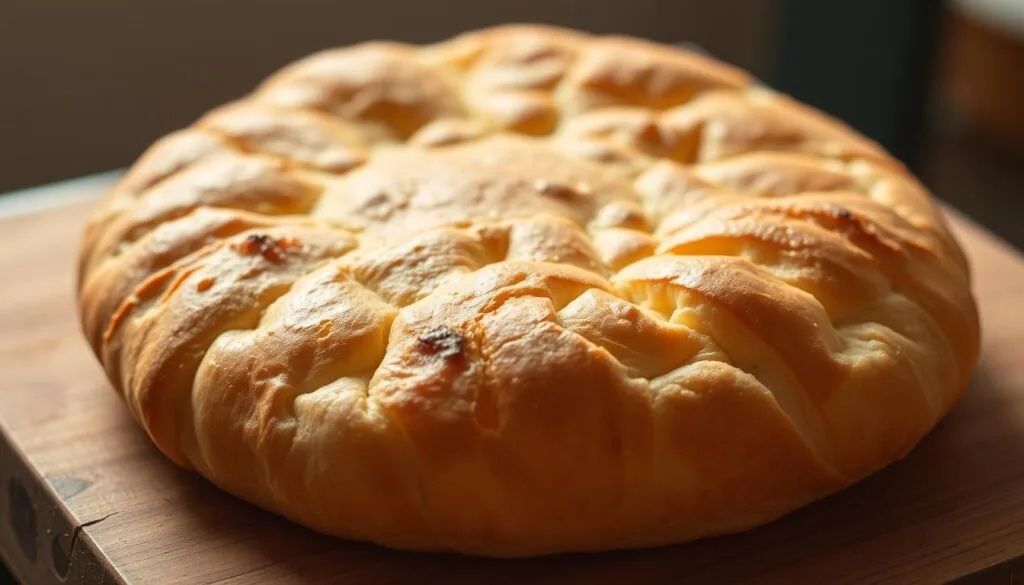
This Arabic Bread is more than food—it’s a tradition and a symbol of warmth. Its crispy outside and soft inside make every meal special, carrying centuries of history in each bite.
A Brief History of Syrian Bread
Our ancestors in the Fertile Crescent made dough long before we had written history. Here’s how it grew:
| Time Period | Key Moment |
|---|---|
| 3000 BCE | Flatbreads appear in Mesopotamian records |
| 7th Century | Islamic trade routes spread baking techniques |
| 20th Century | Became globally recognized as Arabic Bread |
Cultural Significance in Syrian Cuisine
“To Syrians, sharing bread is like offering a piece of our soul.” – Syrian culinary tradition
Let’s look at its deeper meaning:
- Guests: Breaking bread together means “You’re welcome here.”
- Community: Shared in Bread from Syria circles during festivals and daily meals.
- Identity: A symbol of resilience and cultural pride.
How Syrian Bread is Made
Ever wondered how Syrian bread turns simple ingredients into a golden crust and fluffy inside? Let’s explore the magic behind this classic bread.
Essential Ingredients Used
The magic begins with flour, water, salt, and yeast. Authentic Syrian bread uses high-gluten flour for its chewy texture. A bit of salt adds flavor, and yeast makes it light and airy. No extra additives needed.
The Baking Process Explained
Here’s how it’s made:
- Gentle kneading until the dough is smooth and strong.
- Resting lets yeast make the dough double in size.
- Baking on a saj pan or oven stone makes it puff up perfectly. A tap on the bottom checks if it’s done—hollow and warm.
Varieties of Syrian Bread
In Syrian kitchens, flatbread is no exception. From flaky pockets to delicate sheets. Let me introduce you to three beloved varieties that bring joy to every meal.
Traditional Pita Bread
Imagine a golden round of pita bread, puffed like a tiny dome. That pocket? It’s a gift for holding hummus, falafel, or even a simple herb spread.
Manakish: A Flavorful Twist
Think of manakish as the playful cousin of Syrian bread. Topped with za’atar, cheese, or minced meat, it’s a breakfast star. I love how its crisp edges contrast with the soft center.
Lavash: The Thin, Soft Delight
Lavash is the delicate one—so thin it drapes like silk. Wrap it around kebabs, layer it with labneh, or crumble it into soups. Its versatility makes it a quiet hero in every kitchen.
Health Benefits of Syrian Bread
It’s made with simple ingredients: flour, water, yeast, and salt.
This simplicity is its strength. It’s a nourishing foundation for meals without added sugars or preservatives. For those seeking balance, this bread offers complex carbs that fuel the body gently. It also has fiber that supports digestion. Let’s break down how it nurtures us.
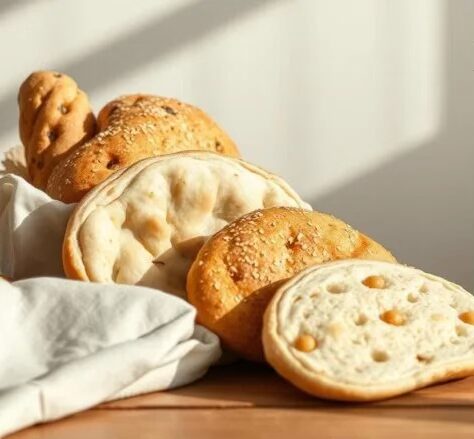
“Whole grains are nature’s gift to sustained energy,” says nutritionist Amira Hassan. “Syrian bread made from whole wheat retains the bran and germ, packing in B vitamins and minerals like iron.”
Nutritional Profile Comparison
Compare Syrian bread to other breads: Mediterranean bread varieties like pita often have half the calories of commercial white bread per serving. Look at this breakdown:
- Mediterranean bread (1 slice): 70-90 calories, 2-3g fiber
- White bread (1 slice): 120 calories, 0.5g fiber
Whole Grain Options and Their Advantages
We love how whole grain Syrian bread adds extra care to your plate. Here’s why:
- Higher fiber aids digestion and keeps hunger at bay
- Natural minerals like magnesium and zinc support immunity
- Low sodium options available when made traditionally
Pairing Syrian Bread with Dishes
Start by exploring Syrian-inspired recipes that highlight this harmony. Try these crowd-pleasing matches:
- Stuffed dishes: Wrap grilled falafel or shawarma in warm pita for handheld feasts.
- Stews and soups: Tear bread into hearty halal-friendly dishes like lentil soup or kibbeh broth.
- Breakfast spreads: Top manakish with labneh or za’atar for a quick morning ritual.
Popular Syrian Dishes to Accompany
Think of bread as your canvas. Pair it with:
- Moutabbal (eggplant dip) for smoky depth
- Spiced chicken tagine for hearty mains
- Roasted vegetable platters for vibrant bites
Dips and Spreads: Enhancing Flavor
Simple spreads transform the experience. Drizzle bread with olive oil, sprinkle sumac, or layer it with:
- Creamy hummus blended with roasted garlic
- Peppery tzatziki for cooling contrast
- Smoky muhammara for a sweet kick
How to Store Syrian Bread
Here are my top tips for keeping your bread perfect.
Best Practices for Freshness
Here’s how to keep your bread soft and fresh:
- Cool completely on a wire rack before touching it. This stops steam from making the crust soggy.
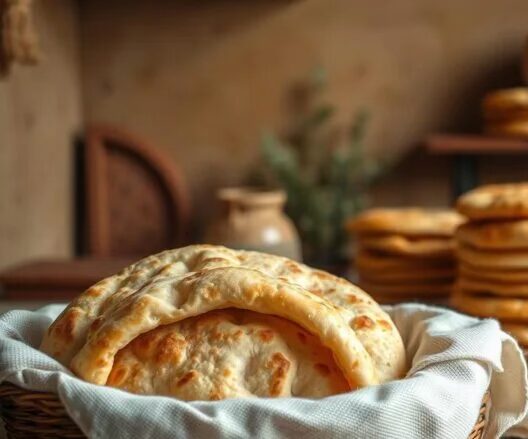
- Wrap in a clean cotton towel or linen cloth – it breathes better than plastic.
- For 1-2 days: Store in an airtight container or ziplock bag at room temperature.
Freezing for Longer Storage
Freezing is my secret to enjoying Syrian bread for up to three months. Follow these steps:
- Let bread cool fully before handling.
- Wrap each loaf tightly in parchment paper, then place in a freezer-safe bag.
- Label with the date – this helps track freshness.
| Storage Method | Time Frame | Best For |
|---|---|---|
| Room Temperature | 1-2 days | Weekly baking households |
| Freezer | 2-3 months | Batch baking or meal prep |
When thawing frozen bread, simply leave it wrapped overnight at room temperature. It’ll taste almost as fresh as the day it was baked.
Where to Buy Authentic Syrian Bread
Authentic Syrian bread is best where traditions are kept alive.
Local Bakeries in the United States
- New York City: Check out Halabya Bakery in Brooklyn. Syrian refugees bake here every day using clay ovens.
- Chicago: Alwan Bakery in Bridgeview has pita so warm it feels like it’s melting in your hand.
- Detroit: Don’t miss Syrian-American Baking Co.. It’s a family-run place with bread made just like in Damascus.
Online Retailers and Delivery Services
Can’t get to a bakery? No worries, these brands bring freshness to your door:
- Global Halal Pantry sends pre-made dough. It bakes into flaky goodness in your oven.
- Mediterranean Market Co. offers frozen bread. It thaws into a restaurant-quality texture.
Making Syrian Bread at Home–
Step-by-Step Homemade Recipe
Begin with a simple dough: 1 cup warm water, 2 tsp active dry yeast, 1 tbsp olive oil, 1 tsp salt, and 3 cups all-purpose flour. Mix until it’s smooth, then knead until it’s elastic. Let it rise until it’s doubled.
Roll it into 8-inch rounds. Bake at 450°F for 8-10 minutes. It should puff up and turn golden.
Common Mistakes to Avoid
- Overkneading the dough—stop when it’s smooth, not silky
- Skipping the second rise—let it rest for 10 minutes after shaping
- Using cold water—yeast thrives in 105-110°F temps
Keep a spray bottle handy to mist loaves as they bake for that signature softness.
| Step | Action |
|---|---|
| 1 | Mix dry ingredients first |
| 2 | Let rise in a warm spot |
| 3 | Shape gently to avoid deflating air pockets |
The Influence of Syrian Bread in Other Cuisines
Mediterranean and Middle Eastern Connections
From Lebanon to Turkey, bread traditions share common roots. Let’s look at these connections:
| Bread Name | Country | Key Traits | Shared Roots |
|---|---|---|---|
| Pide | Turkey | Thick, topped with cheese/za’atar | Leavened dough baked in communal ovens |
| Khobz | Lebanon | Soft, often torn for dipping | Same wheat-based dough recipes |
| Pita | Greece | Pocketed interior | Quick-bake methods and yeast fermentation |
Syrian Bread in American Fusion Dishes
Chefs in the U.S. are getting creative with this bread:
- Pizza Bases: Crispy edges paired with pesto and goat cheese
- Sandwich Wraps: Stuffed with falafel and local greens
- Sweet Treats: Drizzled with honey and pistachios
Celebrating with Syrian Bread
Picture Eid tables lit up with cinnamon-sprinkled loaves or a new parent’s first meal with golden khubz shared with family. These moments turn simple dough into a language of love and memory.
Traditional Events and Celebrations
- Religious Holidays: Eid al-Fitr and Christmas feature khubz baked with sesame, sumac, or rosewater for sweetness.
- Birth Celebrations: A round loaf in the cradle symbolizes protection and abundance.
- Weddings: Braided breads on tables represent unity and continuity.
Hosting a Syrian Bread Tasting
Hosting a tasting invites others into this warmth. Here’s how:
| Step | Action |
|---|---|
| 1 | Offer 3-4 varieties: plain khubz, za’atar-topped, and a sweet holiday loaf. |
| 2 | Pair with olive oil, labneh, and fresh herbs for dipping. |
| 3 | Share stories of Syrian traditions as guests taste. |
Conclusion: Embracing Syrian Bread
As we finish our journey into Syrian bread, it’s clear this simple loaf is more than just food. It’s filled with centuries of stories, the warmth of shared meals, and the quiet joy of tradition. Every crumb connects us to a culture that turns simple ingredients into something deeply human.