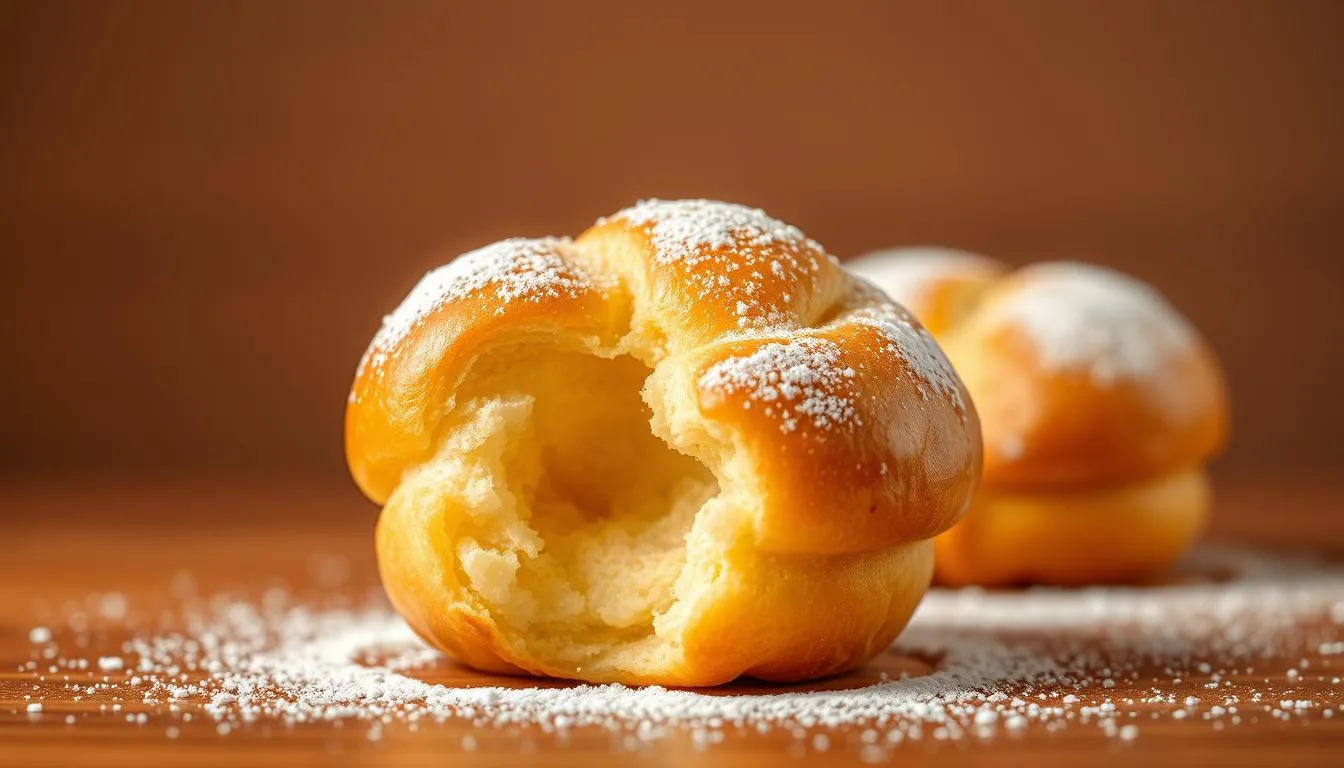
Balah el Sham: Savor the Authentic Egyptian Choux Pastry Treat
The first bite of Balah el Sham is like a warm hug from Egypt. It has a crispy shell and a soft, syrupy center. I’ve searched for this treat in Cairo markets and family kitchens in the U.S. Each pastry, shaped like a finger and glazed, brings back memories of laughter and stories.
Picture a flaky pastry soaked in sweet syrup. It’s a mix of crunch and softness. It reminds me of my grandmother’s hands and her voice saying, “This is our story, little one.” Today, I want to share that story with you.
FAQ
What is Balah el Sham?
it is a traditional Egyptian pastry. It looks like finger-shaped pastries soaked in sweet syrup. It’s loved during Ramadan and Eid.
How do you make the dough for Balah el Sham?
The dough is made from flour, water, butter, and eggs. It’s piped into shape and fried until golden. Getting the dough right is key.
Can I use alternative ingredients for a healthier version of Balah el Sham?
Yes! Use whole grain flours and bake instead of fry for fewer calories. Natural sweeteners can make a sweet version without too much sugar.
What are some common mistakes to avoid while making Balah el Sham?
Avoid wrong oil temperature for oily pastries. Also, balance the dough’s moisture for the right texture. Practice helps!
How can I serve Balah el Sham to guests?
Serve with creamy semolina pudding and garnish with nuts or honey. Mint tea or Arabic coffee add to the experience.
Where can I find authentic Balah el Sham in the U.S.?
Find it at Egyptian bakeries and restaurants in big cities. Online options also deliver these sweets to your door.
What are the best practices for storing leftover Balah el Sham?
Cool the pastries completely before storing in an airtight container. Keep them separate from syrup to stay crispy.
Are there variations of Balah el Sham in other cultures?
Yes, like churros in Spain or jalebi in India. These show the world’s love for choux pastries.
What is the cultural significance of Balah el Sham in Egyptian celebrations?
It’s enjoyed at family gatherings and festive times. It symbolizes joy and togetherness, making it special in Egyptian cuisine.
What is Balah el Sham?
Imagine walking through Cairo’s markets, where golden fritters shine in the sun. This is Balah el Sham, a Grandma’s recipe that connects families across time. It’s a Middle Eastern dessert known as “dates of Damascus,” but its roots are in Egyptian cuisine.
Its fluted, syrup-soaked form tells a story of joy and tradition shared among people.
A Brief History of the Pastry
it started in the Ottoman era and traveled through trade routes. It found a home in Egyptian kitchens. Food historian Sarah Al-Farouk says,
Now, it’s a key item in Egyptian bakeries like Cairo’s historic Al-Tahrir Confectionery. There, families learn the art of making it.
Cultural Significance in Egypt
Balah el Sham is more than a dessert; it’s a part of Egypt’s culture.
| Occasion | Role in Tradition |
|---|---|
| Ramadan Iftar | Shared to break fasts with family |
| Eid Celebrations | Gifted in woven baskets as symbols of abundance |
Ingredients for Balah el Sham
Let’s break down what makes this pastry so special.
Essential Components of the Pastry
The foundation lies in humble staples: water, butter, flour, and eggs. These ingredients form the choux dough—a versatile base that puffs perfectly when baked. For those outside Egypt, I recommend using high-quality butter and all-purpose flour for consistency. If traditional rosewater or orange blossom water feels unfamiliar, start with small amounts—they add delicate floral notes central to Arabic sweets without overpowering.
- Flour: The backbone of the dough’s structure
- Butter: For rich, melt-in-your-mouth texture
- Eggs: Bind everything together
- Water: Simple yet essential
Flavor Enhancements and Variations
Now comes the magic. A sprinkle of orange blossom water or a drizzle of honey—both staples in Traditional Egyptian food—elevates the dough into something unforgettable.
“A touch of rosewater is like a whisper of Egypt’s culinary soul.”
Experiment gently. For a lighter option, substitute honey with maple syrup or reduce sugar. Yet always keep tradition close—these tweaks honor the dish’s roots while making it accessible to all.
The Preparation Process Explained
Here’s how to confidently move through each stage.
Step-by-Step Guide to Making Balah el Sham
- Warm choux pastry dough gently over low heat until it forms a smooth ball—this is your foundation.
- Let it cool just enough to handle without scorching your hands.
- Roll dough into logs, then slice into bite-sized pieces. Press ends gently to seal—think of shaping clouds, not forcing them.
- Fry in hot oil until golden, watching closely so they don’t become crisp before their time.
Tips for Perfecting the Dough
- Texture check: Dough should cling to the spoon like warm honey. If sticky, refrigerate briefly.
- Patience with frying! Use a thermometer to maintain 350°F—this ensures even Balah el Sham bubbles without burning.
- Shape with love, not force. Those ridges are delicate—use a fork to gently score the top before frying.
Common Mistakes to Avoid
Here are some tips to help you master this local delicacy with confidence.
Missteps in Cooking Techniques
Getting the oil temperature right is crucial. If it’s too low, the pastry soaks up too much oil. If it’s too high, the outside burns before the inside is cooked. To check if the oil is perfect, drop a small piece of dough into it. If it rises and sizzles softly, you’re good to go.
- Overcrowding the fryer traps steam, making pastries soggy.
- Piping uneven shapes leads to inconsistent cooking. Aim for uniform rounds.
Ingredient Miscalculations
Getting the moisture balance right is tricky. Too much flour makes the dough dry, while too little makes it fall apart. Here’s how to fix it:
| Issue | Solution |
|---|---|
| Sticky dough | Add 1 tsp flour at a time |
| Cracked pastries | Ensure dough rests 30 mins before shaping |
Serving Suggestions
Imagine sharing Balah el Sham as part of a vibrant spread that honors its roots. To elevate this Middle Eastern dessert, pair it with flavors that balance its crisp exterior and syrup-soaked heart. Start with simplicity—serve it on a wooden platter. Surround it with treats like semolina pudding, which adds a creamy contrast to the pastry’s crunch.
Best Accompaniments for Balah el Sham
- Semolina pudding (try basbousa dusted with coconut for a sweet-soft pairing)
- Plates of fresh mint leaves and lemon wedges to brighten the palate
- Rich Middle Eastern dessert staples like halva or knafeh for variety
Pairing with Drinks
For a traditional touch, offer Arabic coffee with cardamom or mint tea brewed with loose leaves. If your guests prefer something lighter, iced hibiscus tea or a chilled glass of rose water lemonade work beautifully. The key is to keep the spread inviting—a moment where every bite and sip tells a story of warmth and togetherness.
Where to Find Authentic Balah el Sham in the U.S.
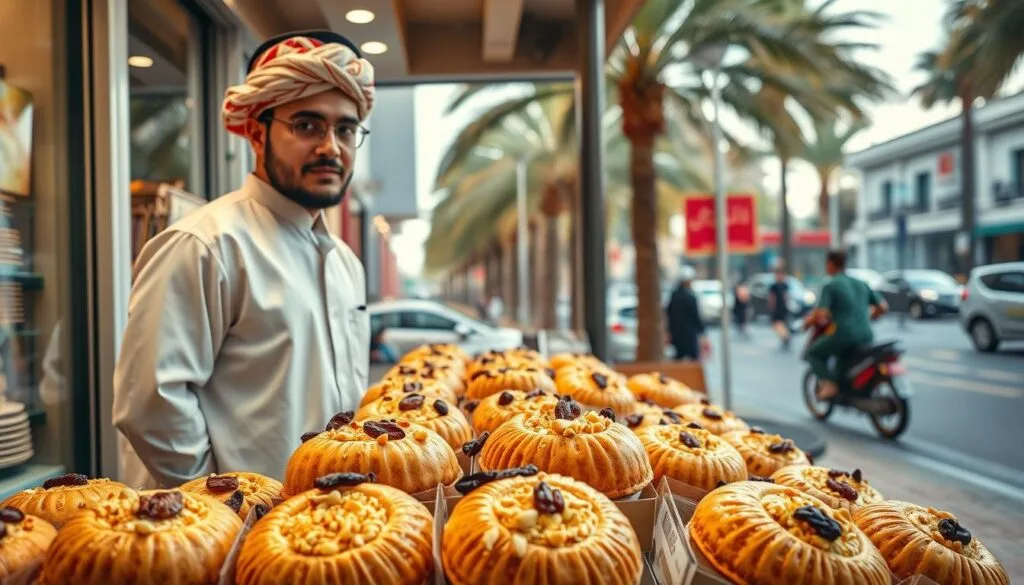
These spots offer Arabic sweets that honor centuries of Egyptian cuisine.
Egyptian Bakeries and Restaurants
Major cities like New York, Chicago, and Houston have hidden gems. At Nile Egyptian Bakery in NYC, the warm kitchen shows care in each Balah el Sham. In Houston, Taste of Egypt serves treats with tradition, like flaky layers and honey-soaked joy. Visiting there felt like stepping into a Cairo alleyway.
| City | Bakery/Restaurant | Address | Notes |
|---|---|---|---|
| New York, NY | Nile Egyptian Bakery | 312 E 125th St | Open since 1998 – family-owned |
| Chicago, IL | Cairo Flavors | 2300 N Clark St | Offers delivery within 10 miles |
| Houston, TX | Taste of Egypt | 3812 Bellaire Blvd | Specializes in Arabic sweets |
Online Options for Delivery
Can’t visit in person? These brands ship joy nationwide:
- La Rose Bakery (ships frozen pastries with reheating instructions)
- Egyptian Delights Co. (uses artisanal techniques for online orders)
How to Store Leftover Balah el Sham
Here’s how to keep these Sweet dumplings tasting great, whether you’re sharing or enjoying them alone.
Best Practices for Freshness
Follow these simple steps to keep them just right:
- Let the Sweet dumplings cool completely before storing—this prevents sogginess.
- Store in an airtight container. If possible, separate from syrup to avoid dampness.
- Keep at room temperature for up to 2 days or refrigerate for up to a week. Tip: Layer with parchment paper to prevent sticking.
Reheating Tips
Reheating them right is important:
- Preheat your oven to 300°F (150°C).
- Arrange dumplings on a baking sheet—no overcrowding!
- Bake for 10-15 minutes until crisp. Brush with a light syrup glaze for extra flavor.
For a quick fix, try microwaving in 15-second bursts—but oven reheating truly honors the Traditional Egyptian foodtradition.
Pro tip: Freeze extras for up to a month. Thaw completely before reheating, and check out our guide for more storage hacks for Middle Eastern treats.
Healthier Alternatives to Traditional Balah el Sham
I’ve tried these adjustments to ensure they preserve the recipe’s spirit.
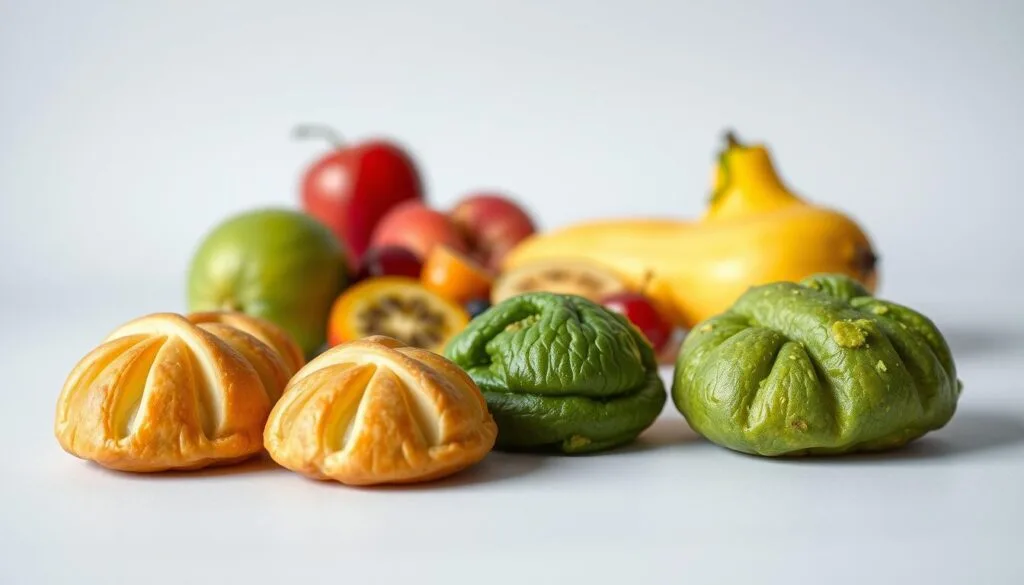
Ingredient Swaps for a Lighter Version
- Whole grain magic: Mix half the flour with whole wheat or almond flour for extra fiber and crunch.
- Oil alternatives: Use avocado or olive oil instead of butter for a lighter calorie option.
- Bake, don’t fry: Air-fry or bake the pastry to reduce oil without losing crispiness.
Low-Sugar Variants
Make it less sweet without losing the fun:
- Use date paste or honey instead of syrup for natural sweetness with a rich flavor.
- Reduce sugar in the dough by 25%; add vanilla extract for a warm taste.
- Try stevia or monk fruit for a zero-calorie option that still feels celebratory.
These tweaks allow you to enjoy Balah el Sham as a mindful treat.
Balah el Sham Around the World
Ever wondered how Egyptian choux pastry ends up in kitchens worldwide? It’s a journey of transformation, keeping its Egyptian roots alive.
Variations in Different Cultures
In Lebanon, it’s made into thin sheets, sprinkled with sugar. Tunisians shape it into crescents, with rosewater syrup on top. Each version tells a story of local tastes.
- Egyptian choux pastry in Jordan is layered, soaked in date syrup.
- In Algeria, it’s twisted into spirals, enjoyed with mint tea.
Similar Pastries from Other Countries
These treats share a common joy in simple pleasures:
- Spain’s churros are crispy and cinnamon-spiced, from the same dough.
- India’s jalebi is swirled in saffron syrup, a golden cousin.
- American funnel cakes are crunchy and fun at fairs.
Tips for Hosting a Balah el Sham Tasting Party
Start by setting the mood. Dim lights, Egyptian music, and colorful lanterns can take guests to the Nile.
A small tray of Middle Eastern desserts like Semolina pudding with mint tea makes any room welcoming.
Creating an Authentic Egyptian Experience
- Offer small bites of Balah el Sham alongside semolina pudding for contrast in texture and flavor.
- Play traditional folk songs softly in the background to evoke cultural ambiance.
- Share stories about Egypt’s food traditions while guests savor each bite.
Recipe Sharing with Friends
Let guests bring their own favorite Middle Eastern dessert recipes to swap. Here’s how:
- Prepare a workspace where everyone can gather and assist in mixing dough or decorating pastries.
- Keep ingredients labeled and accessible so newcomers can follow along easily.
- End the evening with a “recipe exchange”—write down your own method on colorful cards to hand out.
“The first time I hosted a Balah el Sham night, my friend brought a coconut-infused semolina pudding that became our new favorite pairing.”
Conclusion: Enjoying Balah el Sham
Sharing a plate of Balah el Sham is more than a treat. It’s a bridge to traditions that have nourished hearts for generations.
Your Next Baking Adventure
Roll up your sleeves and let curiosity guide you. Experiment with nut fillings or drizzle with date syrup—a small tweak can turn tradition into something uniquely yours.
![an image of [tajin ice cream] dish presented in a table](https://www.passionofcooking.com/wp-content/uploads/2026/01/tajin-ice-cream-dish-768x576.webp "Tajin Ice Cream: A Healthy Frozen Desserts 3")