
Authentic Beghrir (Moroccan Pancakes): A Taste of Morocco
Imagine enjoying a warm, golden pancake that holds every drop of honey like a treasure. That’s the magic of Beghrir—those irresistible “thousand-hole pancakes” I’ve loved since I was a kid. These delicate Moroccan treats are more than just food; they’re a part of family meals and festivals.
Moroccan cuisine turns simple ingredients into something amazing. pancake’s light, spongy layers and semolina-rich flavor show this magic. Whether you drizzle them with honey or enjoy them with mint tea, these pancakes welcome everyone to the table.
FAQ
What are Beghrir pancakes?
Beghrir pancakes are light and spongy, with a unique honeycomb texture. They are filled with tiny holes. Traditionally, they are part of North African breakfasts, served with warm honey and melted butter.
How do you make Beghrir pancakes?
To make Beghrir, mix semolina flour, all-purpose flour, salt, sugar, yeast, and warm water. Let it rest for about 45 minutes to an hour. Then, pour the batter into a hot skillet and cook until bubbly. No need to flip them!
What toppings can be used for Beghrir?
You can top Beghrir with warm honey and melted butter. Other tasty options include date syrup, amlou, fresh fruits, or Nutella. You can try both sweet and savory toppings.
Can Beghrir be made gluten-free?
Yes, you can make gluten-free Beghrir. Use rice flour, sorghum or millet flour, tapioca starch, and xanthan gum. This way, you can still get that honeycomb texture while avoiding gluten.
What is the origin of Beghrir?
Beghrir comes from Moroccan cuisine, with roots in the Berber people. Its name reflects its cultural significance and history in North Africa.
How are Beghrir served during special occasions in Morocco?
Beghrir is a big deal in Morocco, especially during Eid and weddings. They symbolize hospitality and abundance. They’re served at important life events, showing tradition, unity, and joy.
Where can I find authentic Beghrir in the United States?
You can find authentic Beghrir at Moroccan restaurants in the U.S. Places like Café Mogador in New York City or Marrakesh in Los Angeles offer them. They use traditional methods to make them.
Are there any common mistakes to avoid when making Beghrir?
Yes! Avoid over-mixing the batter after resting. It can lose its bubbles. Also, make sure to cook them at the right temperature for even cooking.
What is the nutritional value of Beghrir?
Beghrir is made with semolina flour, which has complex carbs, protein, and minerals. The fermentation process makes minerals more available. They’re a healthier breakfast option than many Western pancakes.
What is Beghrir?
When I first saw these golden disks with tiny craters, I knew I’d found something special. Thousand holes pancakes like beghrir are more than breakfast—they’re a moment of warmth. They come from semolina’s earthy touch and yeast’s quiet magic, telling stories of Moroccan hearths and shared meals.
A Traditional Moroccan Delight
it is a mix of simplicity and science. Semolina flour’s nutty base meets active yeast, creating those thousand holes pancakes pockets. The batter rests quietly, growing bubbly and tender over hours—no rushed shortcuts here. When cooked, one side remains unturned, letting those golden craters stay open to cradle honey or spiced butter.
- Semolina’s earthy flavor anchors each pancakees’ foundation.
- Yeast fermentation creates the trademark bubbly texture.
- Served warm, they shine with toppings like orange blossom water or roasted nuts.
These aren’t just semolina pancakes—they’re a tradition. Moroccan families pass down recipes, ensuring every rise and bubble honors generations. Whether veganized with coconut milk or drizzled with local honey, it stays true to its roots while welcoming new flavors.
Ingredients
In the heart of the Traditional Moroccan recipe, simplicity meets magic. Let me walk you through the humble ingredients that create these fluffy, holey marvels.
| Ingredient | Role in the Recipe |
|---|---|
| Semolina flour | Gives golden color and nutty flavor |
| All-purpose flour | Balances texture, helps bind |
| Yeast | Creates rise and airy holes |
| Baking powder | Adds extra lift |
| Sugar | Feeds yeast and adds subtle sweetness |
| Warm water/milk | Activates ingredients, adjusts consistency |
| Eggs (optional) | Enhances richness (vegan-friendly without) |
Sometimes a pinch of Ras el Hanout—a Moroccan spice blend—joins the mix for depth, though it’s not essential.
How to Make Beghrir at Home
Making honeycomb pancakes is easy with the right tools. You don’t need fancy gadgets. Just use what you already have in your kitchen.
- A large mixing bowl (glass or ceramic works best for the batter)
- A non-stick skillet (7-8 inches is perfect for those signature holes)
- A ladle or spouted measuring cup for pouring
- A whisk or blender to mix the batter smoothly
- A clean kitchen towel to keep pancakes warm
Traditional Moroccan recipes are simple. Use a non-stick skillet to make pancakes without flipping. A whisk mixes the batter by hand, connecting you to home cooks of the past. A blender can speed up mixing, but it’s not necessary.
The towel is more than just a tool. It wraps the pancakes in warmth, like a hug.
Every tool has its role. The skillet’s heat cooks the batter perfectly. The ladle pours just the right amount. Even the mixing bowl is important—it’s where your kitchen adventure begins.
Instructions for Making Beghrir at Home
- Mix dry ingredients: Combine semolina, flour, salt, and sugar in a bowl. Whisk until no lumps remain.
- Activate the yeast: In a separate bowl, dissolve yeast in warm water. Wait 5 minutes until foamy.
- Blend mixtures: Stir yeast liquid into dry ingredients until smooth. Let it rest 45–60 minutes until bubbly.
- Add leaveners: Gently fold in baking powder and baking soda. The batter should be slightly thick but pourable.
- Cook with patience: Heat a skillet, pour batter, and watch bubbles form. Cook 2–3 minutes without flipping. Use tongs to lift edges occasionally.
“The batter must bubble within 15 seconds—this shows the pan is ready!”
| Key Detail | Info |
|---|---|
| Yield | 20–25 semolina pancakes |
| Cooking Time | 2–3 minutes per pancake |
| Batter Rest Time | 45–60 minutes |
| Texture Tip | Light golden-brown surface with open honeycomb holes |
Steps to Make Beghrir at Home
Making those thousand holes pancakes needs careful steps. Here’s what I’ve learned over the years:
- Yeast Activation: Warm water (110°F) is key. It should feel like bathwater on your wrist. This helps the yeast wake up without shocking it.
- Batter Balance: The batter should be as thick as heavy cream. If it’s too thick, add a little water. If it’s too thin, add more semolina. Think of it like caring for a plant, making small adjustments.
- Rest, Don’t Rush: Let the batter rest for at least 45 minutes. I often cover it with a towel and place it near a sunny window. It’s like giving the yeast a cozy blanket.
- Cook with Patience: Cook on medium heat. The first 15 seconds after pouring are magical. Watch as bubbles form. Don’t flip them! These Moroccan pancakes cook best on one side.
“My grandmother always said, ‘Let the batter breathe, and the holes will come.’ She was right—patience is the secret ingredient.” — Aicha, Moroccan culinary instructor
After cooking, stack them in a basket with a clean towel. This keeps them soft. Serve warm with honey or amlou.
Variations of Beghrir
Discover the magic of it beyond tradition. These North African breakfast staples adapt effortlessly to both sweet and savory flavors. Let’s explore how a few tweaks transform this classic into something new.
Sweet pancake shines at breakfast tables, drizzled with honey or date syrup. My family often adds a splash of orange blossom water to the batter. Its floral notes pair perfectly with warm butter melting into the pancake’s holes. For a modern twist, I’ve even seen them layered with Nutella or fresh berries.
But don’t overlook savory possibilities! Omit sugar, and fold in herbs like parsley or cumin. Serve with labneh or a drizzle of tahini for a Mediterranean-inspired lunch. These versatile pancakes make a perfect base for savory spreads, turning your Blackstone griddle into a canvas for creativity.
| Sweet Variations | Savory Variations |
|---|---|
| Ingredients: Honey, vanilla, cinnamon, or orange blossom water | Ingredients: Cumin, parsley, feta, or crumbled herbs |
| Toppings: Jam, powdered sugar, or fresh fruit | Toppings: Labneh, olive tapenade, or hummus |
Variation According to Regions in Morocco
Every corner of Morocco whispers its own story through food. The Traditional Moroccan recipe like Beghrir changes with the land and people. Let me share how this beloved pancake evolves.
| Region | Flavor Twist |
|---|---|
| Northern Coastal | Anise seeds + preserved lemon drizzle |
| Fez | Orange blossom water folded into batter |
| Southern | Ginger-spiced batter with date syrup |
| Atlas Mountains | Whole grain semolina + floral mountain honey |
Each tweak tells a story about how Moroccan cuisine adapts while staying true to its soul.
- Coastal cooks pair with harissa for heat
- Saharan oases add cumin for earthy warmth
- Rif Mountains use wildflower honey
Next time you make pancake, think of these regional stories. Maybe add a splash of orange flower water, or try a dash of ginger.
Serving Suggestions
| Type | Traditional | Modern | Savory |
|---|---|---|---|
| Sweet | Honey + melted butter | Strawberries + Nutella | Ricotta + thyme |
| Spread | Amlou (almond-honey paste) | Chocolate hazelnut spread | Labneh + herbs |
| Final Touch | Date syrup drizzle | Lemon zest + powdered sugar | Smoked paprika sprinkle |
For a fun twist, let everyone make their own Honeycomb pancakes at breakfast. Offer small dishes of ricotta, sliced mango, and orange blossom syrup. My favorite topping is a mix of tahini, maple syrup, and orange blossom water—it’s sweet but subtle. Serve them warm, as their texture soaks up toppings best when fresh.
Pair them with mint tea, like traditional atay, for a taste of Moroccan mornings. Whether you prefer sweet or savory, these pancakes welcome every topping with their unique honeycomb texture.
Serving Ideas
Imagine a sunlit kitchen in Marrakech, where the scent of mint tea mingles with warm honey drizzled over spongy pancakes. That’s how North African breakfast feels—inviting and communal. In Moroccan cuisine, it isn’t just a dish; it’s a thread woven into daily life’s fabric.
| Meal | Serving Ideas | Pairings |
|---|---|---|
| Morning | Beghrir with honey + butter | Khobz bread with olive oil, fresh figs |
| Iftar (Ramadan) | Stacked with date syrup | Harira soup, orange blossom water |
| Tea time | Mint tea with lemon wedges | Beghrir torn into pieces for dipping |
| Celebrations | Golden syrup drizzled in patterns | Decorative platters with fresh flowers |
For a balanced North African breakfast, pair it with:
- Labneh (strained yogurt) for tangy contrast
- Roasted harissa-spiced tomatoes
- Lemon chia pudding for a modern twist
Beghrir in Moroccan Culture
In Moroccan cuisine, pancake is a dish to be shared. It’s especially cherished during these moments:
- Eid al-Fitr: It’s served warm with rosewater-infused butter, ending Ramadan’s fast.
- Wedding Celebrations: Pancakes are stacked into towers, drizzled with honey, symbolizing new beginnings.
- Birth Celebrations: It’s passed between generations, weaving a family’s culinary legacy.
| Occasion | Symbolism | Signature Toppings |
|---|---|---|
| Ramadan Iftar | Hydration and renewal | Coconut flakes, orange blossom syrup |
| Weddings | Unity and abundance | Pistachios, saffron-infused honey |
| Newborn Celebrations | Hope and continuity | Almonds, cinnamon sugar |
Sharing Beghrir in Moroccan Culture
Here’s how this Moroccan cuisine staple brings people together:
- Served with mint tea poured from high to create foam
- Accompanied by a drizzle of local fig honey
- Shared in communal platters at family gatherings
| Traditional Use | Modern Adaptation |
|---|---|
| Served with butter and dates | Paired with lemon-chia pudding |
| Wedding feast staple | Street food at Marrakech markets |
| Iftar dessert during Ramadan | Vegan versions with almond milk |
Common Mistakes to Avoid
Let’s look at the main error and how to avoid it.
Imagine you’ve mixed your batter and let it rest. It’s now bubbly and ready. But, over-mixing after resting can ruin everything. Those bubbles are the holes you want. Over-stirring kills them, leaving fewer holes.
Here are some tips to keep your pancakes light:
- Stir firmly at first to mix semolina and yeast, but stop when lumps vanish.
- Let the batter sit undisturbed—this is when bubbles form their delicate network.
- When adding baking powder or soda later, fold with a silicone spatula in just a few motions.
Other Mistakes to Avoid
Getting the heat right for Moroccan pancakes is like mastering a dance step. If it’s too hot or too cold, your pancakes won’t turn out right. Here’s what I’ve learned to help you avoid common mistakes.

- Too High: Bottom browns fast, but honeycomb holes don’t form. Bubbles pop before rising.
- Too Low: Dense texture takes forever to cook. Pancakes feel soggy inside.
To test your pan, drop a water droplet. If it sizzles gently, you’re good to go. Loud popping? Turn down the heat. No sound? Boost it a little. My kitchen tests show medium heat is best for most stoves.
- Start at medium. Adjust slowly after pouring first pancake.
- Watch for bubbles! Tiny holes mean perfect temperature.
- Electric stoves need patience—heat adjusts slower than gas.
Health Benefits of Beghrir
Nutritional Value of Ingredients
The fermentation process in making the batter does more than just create holes. It helps with digestion and unlocks minerals in the grain. Here’s what you get in a serving:
| Food Item | Calories | Protein (g) | Carbs (g) |
|---|---|---|---|
| Beghrir (1 pancake) | 70 | 2g | 12g |
| Msemen flatbread (1 serving) | 200 | 5g | 30g |
| Jben cheese (1 oz) | 70 | 5g | 1g |
Pairing these semolina pancakes with yogurt or fresh mint boosts protein and probiotics. Adding seasonal fruits like dates or figs adds fiber and vitamins. Here’s how to make them even better:
- Choose whole wheat semolina for more fiber
- Add walnuts or almonds for healthy fats
- Drizzle with honey sparingly to keep sugars low
Other Benefits
For those on gluten-free diets, Moroccan pancakes are more than just food. They’re a celebration of tradition. I’ll show you how to make honeycomb pancakes that are just as good as the originals. The trick is in the flour mix.
I mix 1½ cups of fine rice flour with ½ cup of sorghum flour and 2 tablespoons of tapioca starch. This blend is light, just like semolina. Adding ¼ teaspoon of xanthan gum helps the batter stick together without gluten.
“The holes in honeycomb pancakes aren’t just pretty—they hold the honey, just like tradition intended.”
Let the batter rest for 90 minutes. This lets the yeast work its magic, creating air pockets. Cook at 300°F to keep the pancakes soft. Each pancake takes 2-3 minutes per side.
- Use 1 cup warm water to activate gluten-free flours
- Rest batter 90 mins for optimal rise
- Test batter consistency: it should drip slowly from a spoon
Where to Find Authentic Beghrir
Craving Beghrir but don’t have time to cook? Check out these U.S. spots where tradition meets taste. Moroccan restaurants across the country are serving this iconic dish with love.
- New York City: Café Mogador (East Village) and Casablanca (Brooklyn) serve pancake as a sweet brunch treat.
- Los Angeles: Marrakesh on La Cienega and Moun of Tunis offer this honeycomb-textured pancake as dessert.
- San Francisco: Aziza and El Mansour sometimes feature Beghrir as a seasonal specialty.
- Chicago: Shokran and Marrakech Moroccan Restaurant may prepare it upon request for guests.
Many chefs adapt menus to highlight Moroccan cuisine, so ask servers about availability. These eateries often pair Beghrir with honey-butter drizzles just like back home. For those wanting to explore more, this guide explains its cultural roots and home recipes.
Tip: Pair your order with mint tea—the traditional way to enjoy this dish.
Conclusion: Experience the Flavor of Morocco
Sharing a plate of Moroccan pancakes with loved ones is the best way to enjoy Moroccan cuisine. These honey-drizzled Moroccan pancakes, are more than a snack. They connect us to a culture where welcoming guests is a big deal. Imagine your kitchen filled with warmth as you invite others to enjoy this light, airy treat.
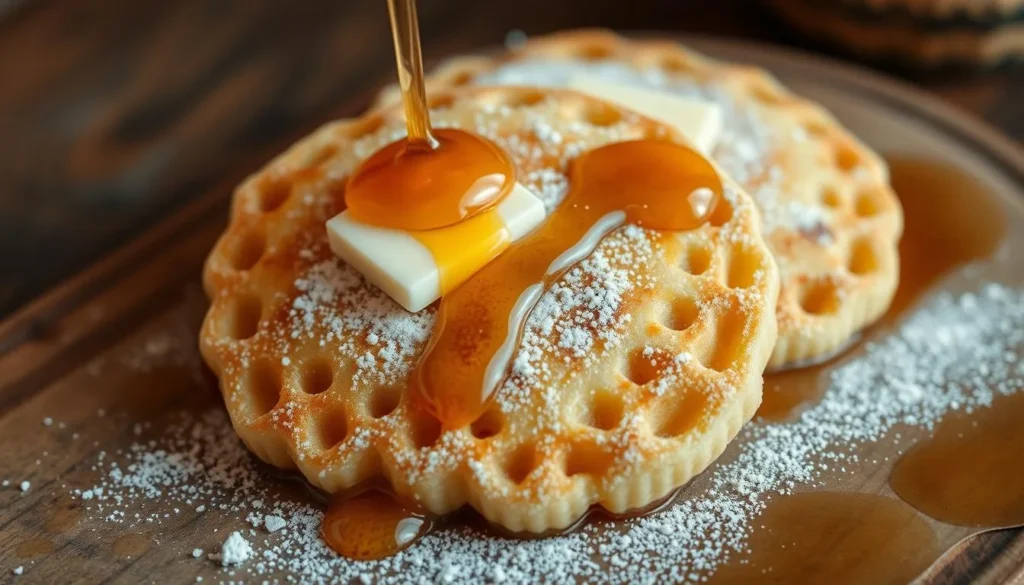
- Serve pancakes warm, with honey, melted butter, or orange blossom syrup in their holes.
- Pair with mint tea—brewed loose-leaf for authenticity—to echo Moroccan hospitality rituals.
- Share stories of your own journey learning Moroccan cuisine, turning the meal into a shared adventure.
“A plate of beghrir says, ‘You are welcome here,’ in a language everyone understands.”
| Sweet Touches | Cultural Pairings |
|---|---|
| Local honey or date syrup | Mint tea poured from height |
| Fresh figs or preserved lemons | Stories of Morocco’s markets |