
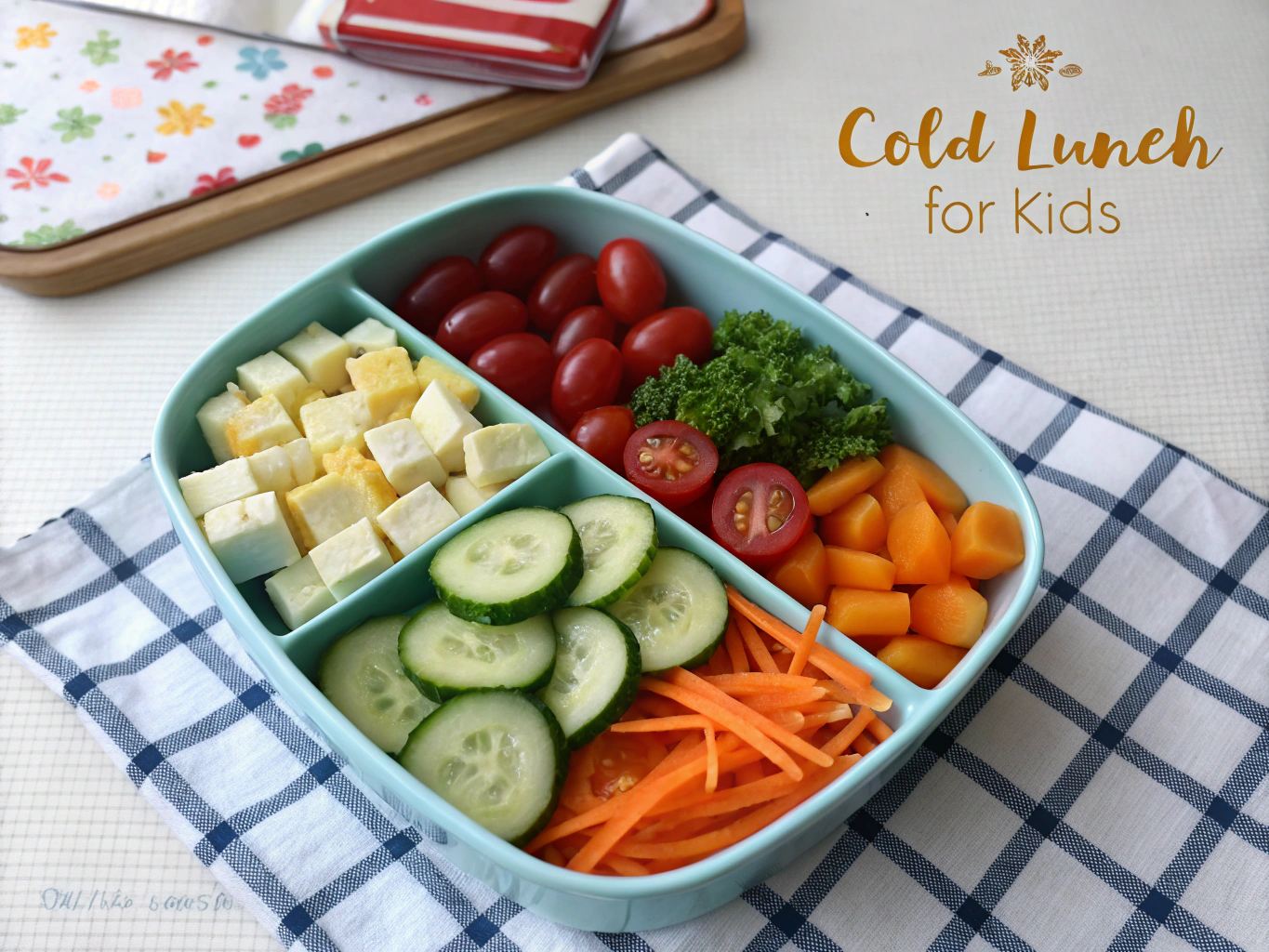
Creative Cold Lunch Ideas for Kids
The Daily Lunch Challenge
Do you find yourself staring into the refrigerator each morning, wondering what to pack in your child’s lunchbox? You’re not alone. According to a recent survey, parents spend an average of 10 minutes daily worrying about their kids’ cold lunch ideas, adding up to over 60 hours per year! The challenge of creating nutritious, appealing cold lunch ideas for kids that won’t return home untouched is real. Today, we’re breaking down practical, kid-tested lunch solutions that balance nutrition and appeal—because a packed lunch only counts if it actually gets eaten.
Essential Ingredients for Successful Kid Lunches
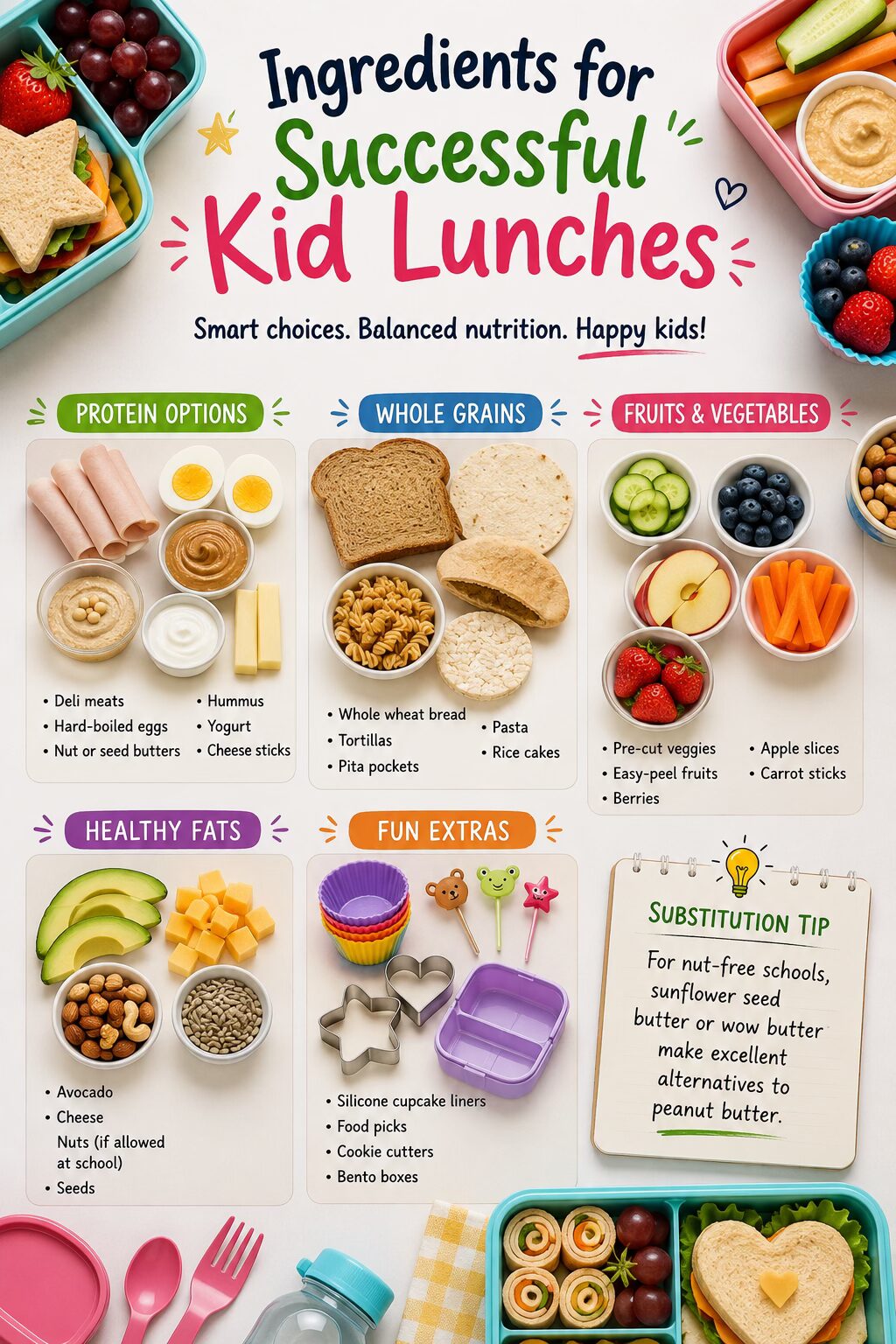
Creating cold lunches that kids will devour requires a strategic approach to ingredients. Here’s what you’ll need to keep on hand:
- Protein options: Deli meats, hard-boiled eggs, nut or seed butters, hummus, yogurt, cheese sticks
- Whole grains: Whole wheat bread, tortillas, pita pockets, pasta, rice cakes
- Fruits & vegetables: Pre-cut veggies, easy-peel fruits, berries, apple slices, carrot sticks
- Healthy fats: Avocado, cheese, nuts (if allowed at school), seeds
- Fun extras: Silicone cupcake liners, food picks, cookie cutters, bento boxes
Substitution tip: For nut-free schools, sunflower seed butter or wow butter make excellent alternatives to peanut butter.
Timing: Lunch Prep Strategies
- Weekly prep: 30 minutes on Sunday to wash and chop vegetables, portion snacks, and plan the week
- Daily assembly: 5-7 minutes each morning (60% faster than making lunches without a plan)
- Make-ahead options: Many ideas below can be prepped 2-3 days in advance
With the right system, you can create a week’s worth of varied lunches in under 45 minutes total—significantly less than the national average of 83 minutes per week.
Step-by-Step Cold Lunch Ideas
1. Build-Your-Own Lunchables
Create DIY versions of store-bought favorites with better nutrition and lower cost.
- Cut whole grain crackers, deli meat, and cheese into matching shapes
- Add compartments of fresh fruit and vegetables
- Include a small treat like dark chocolate chips or yogurt-covered raisins
Pro tip: These homemade versions contain 40% less sodium and save approximately $2 per lunch compared to pre-packaged options.
2. Colorful Sandwich Sushi Rolls
- Flatten whole grain bread with a rolling pin
- Spread with cream cheese, hummus, or nut butter
- Add thinly sliced vegetables or fruit
- Roll tightly and slice into bite-sized pieces
Pro tip: Secure with a food pick if needed or wrap tightly in parchment paper to maintain shape.
3. Breakfast-for-Lunch Bento
- Pack mini whole grain pancakes or waffles (can be frozen and thawed)
- Include small container of maple syrup or yogurt dip
- Add hard-boiled egg and fresh berries
- Finish with turkey sausage links (can be served cold)
Pro tip: Research shows that 78% of kids enjoy breakfast foods at lunch, making this a high-success option.
4. Pasta Salad Power Box
- Mix cold cooked pasta with olive oil and Italian seasoning
- Add protein like diced chicken, cheese cubes, or chickpeas
- Mix in colorful vegetables like cherry tomatoes and cucumber
- Pack a small container of Italian dressing for kids to add themselves
Pro tip: Pasta salads can be made up to 3 days ahead and customized to each child’s preferences.
5. Pinwheel Party
- Spread tortillas with cream cheese, hummus, or avocado
- Layer with thin slices of meat, cheese, and vegetables
- Roll tightly and refrigerate
- Slice into pinwheels before packing
Pro tip: Color-coded toothpicks can indicate different fillings if making multiple flavors.
Nutritional Information
The average homemade cold lunch contains approximately:
- 350-450 calories
- 15-20g protein
- 12-15g healthy fats
- 45-55g carbohydrates
Compared to typical school-purchased lunches, homemade options typically provide 30% more protein and 25% less sugar—critical metrics for sustained energy and focus throughout the school day.
Healthier Alternatives for Cold Lunches
- Replace juice boxes with water infused with fresh fruit
- Swap chips for air-popped popcorn (60% fewer calories, 70% less fat)
- Use Greek yogurt instead of mayonnaise in tuna or chicken salad (doubles the protein)
- Choose whole grain versions of bread, tortillas, and crackers
- Add vegetables to everything—even desserts! (Think zucchini muffins or carrot cake energy bites)
Serving Suggestions
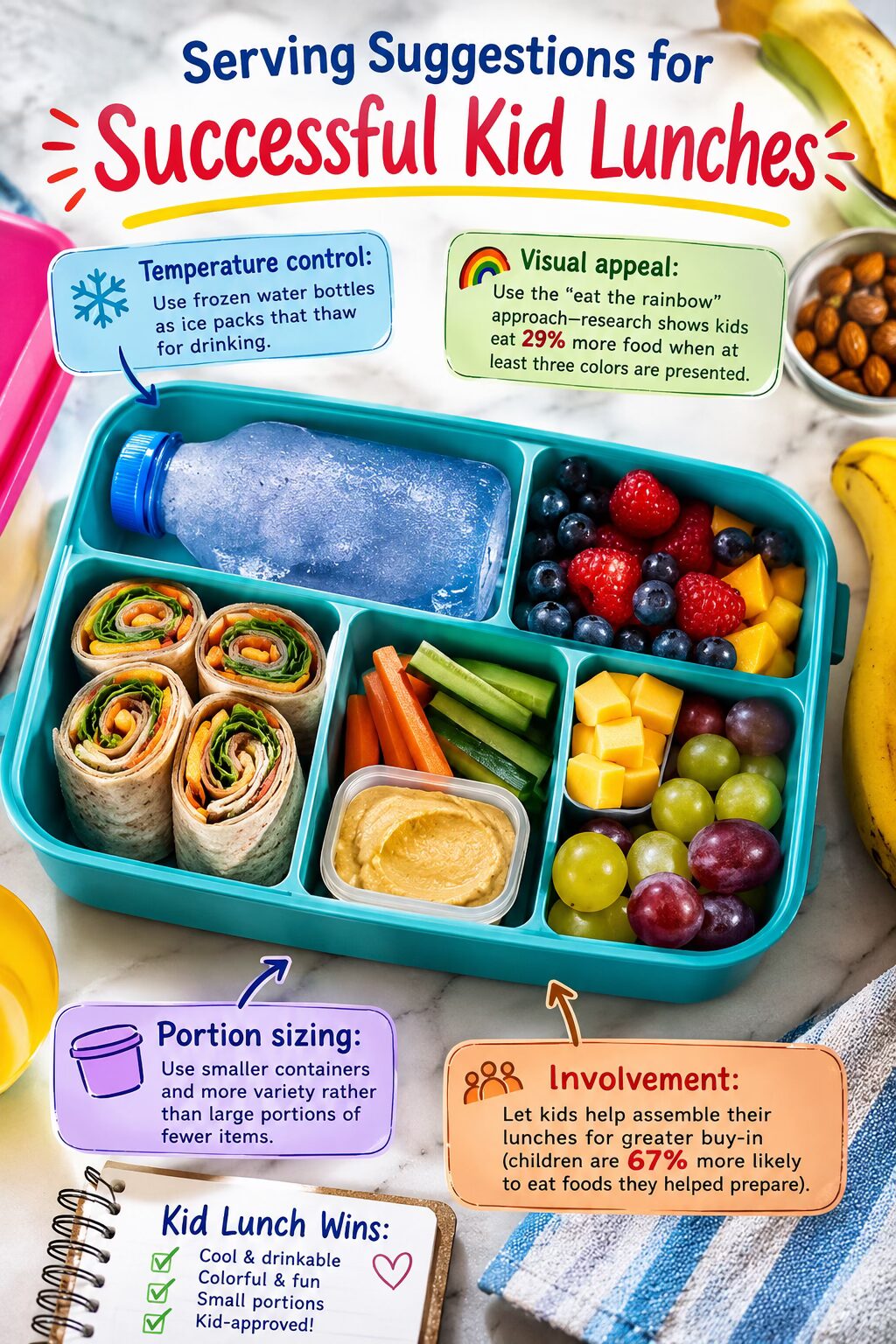
- Temperature control: Use frozen water bottles as ice packs that thaw for drinking
- Visual appeal: Use the “eat the rainbow” approach—research shows kids eat 29% more food when at least three colors are presented
- Portion sizing: Use smaller containers and more variety rather than large portions of fewer items
- Involvement: Let kids help assemble their lunches for greater buy-in (children are 67% more likely to eat foods they helped prepare)
Common Mistakes to Avoid
- Overwhelming portions: Kids often have limited lunch time; smaller portions of more items work better
- Complex packaging: If they can’t open it, they won’t eat it—test containers at home first
- Temperature sensitivity: Some foods become unappetizing when reaching room temperature; do a “half-day test” if unsure
- Forgetting the fun factor: Studies show that simple additions like food picks, notes, or special shapes increase consumption by up to 35%
- Not rotating options: Even favorites become boring; aim for a two-week rotation minimum
Storing Tips for Cold Lunches
- Prevent sogginess: Pack wet ingredients separately from dry ones
- Maintain crispness: Place a paper napkin in containers with fruits and vegetables to absorb excess moisture
- Avoid browning: Toss apple or pear slices in a little lemon juice, or use pre-sliced varieties treated with vitamin C
- Thermal management: Freeze yogurt tubes or applesauce pouches to keep surrounding items cold
- Container recommendations: Invest in leak-proof, compartmentalized containers with easy-open lids
Conclusion
Creating appealing cold lunch ideas for kids doesn’t require culinary genius—just a bit of planning, creativity, and understanding of what actually gets eaten. By incorporating these 30 ideas into your rotation and following the practical tips for preparation and presentation, you’ll not only save time and reduce food waste but also provide nutritious meals that fuel your child’s learning and growth. Remember, the most nutritious lunch is the one that actually gets eaten!
FAQs
Q: How do I keep my child’s lunch cold until lunchtime?
A: Use an insulated lunch bag with 1-2 ice packs. Freeze water bottles or yogurt tubes to serve as additional cooling elements that thaw by lunchtime.
Q: My child’s school is nut-free. What protein options can I pack?
A: Great alternatives include sunflower seed butter, hummus, cheese, yogurt, deli meats, hard-boiled eggs, and chickpeas or edamame.
Q: How do I know if I’m packing enough food?
A: Most elementary school children need a lunch totaling 400-500 calories. Observe what comes home uneaten to adjust portions accordingly. Include 1 protein, 1 whole grain, 1-2 fruits/vegetables, and a healthy fat source as a baseline.
Q: My child never finishes their lunch. Should I pack less?
A: Consider timing issues first—many kids have limited lunch periods. Pack easily consumable foods and ask teachers if your child has enough time to eat. Sometimes smaller portions of more variety work better than larger servings.
Q: How can I reduce waste when packing lunches?
A: Use reusable containers, cloth napkins, metal utensils, and buy in bulk to portion yourself instead of using pre-packaged single servings. This approach typically saves families $275 annually while reducing packaging waste by 67%.
![an image of [mediterranean lunch ideas] dish presented in a table](https://www.passionofcooking.com/wp-content/uploads/2026/01/mediterranean-lunch-ideas-dish-768x576.webp "5 Delicious Mediterranean Lunch Ideas 4")
![an image of [colombian lunch recipes] dish presented in a table](https://www.passionofcooking.com/wp-content/uploads/2026/01/colombian-lunch-recipes-dish-768x576.webp "Authentic Colombian Lunch Recipes 8")
![an image of [toddler lunch ideas] dish presented in a table](https://www.passionofcooking.com/wp-content/uploads/2026/01/toddler-lunch-ideas-dish-768x576.webp "Quick and Healthy Toddler Lunch Ideas 9")