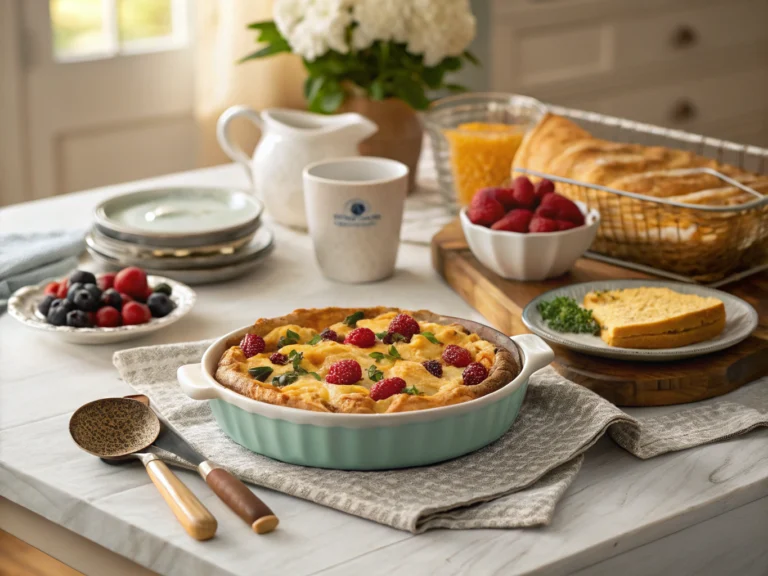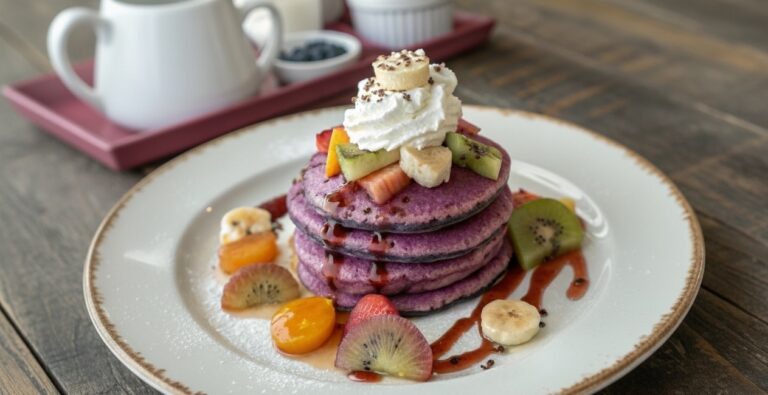
![an image of [frozen breakfast foods] dish presented in a table](https://www.passionofcooking.com/wp-content/uploads/2026/01/frozen-breakfast-foods-dish.webp "The Healthiest Frozen Breakfast Foods 1")
The Healthiest Frozen Breakfast Foods
Table of Contents
Are Frozen Breakfast Foods Really Worth Your Time?
Did you know that Americans spend an average of just 12 minutes preparing and eating breakfast on weekdays? In our time-starved mornings, frozen breakfast foods have become the unsung heroes of countless households. But are these convenient options actually worth incorporating into your routine, or are they just glorified processed alternatives to “real” breakfast? If you’ve ever stood in the frozen food aisle wondering which items deserve a spot in your freezer, you’re not alone. The frozen breakfast category has exploded with options ranging from classic waffles to innovative breakfast bowls and plant-based alternatives.
The Evolving World of Frozen Breakfast Foods
The frozen breakfast foods market has transformed dramatically from the basic toaster waffles and plain bagels of yesteryear. Today’s options include everything from protein-packed breakfast sandwiches to globally-inspired breakfast burritos and nutrient-dense smoothie bowls.
Types of Frozen Breakfast Foods Worth Considering
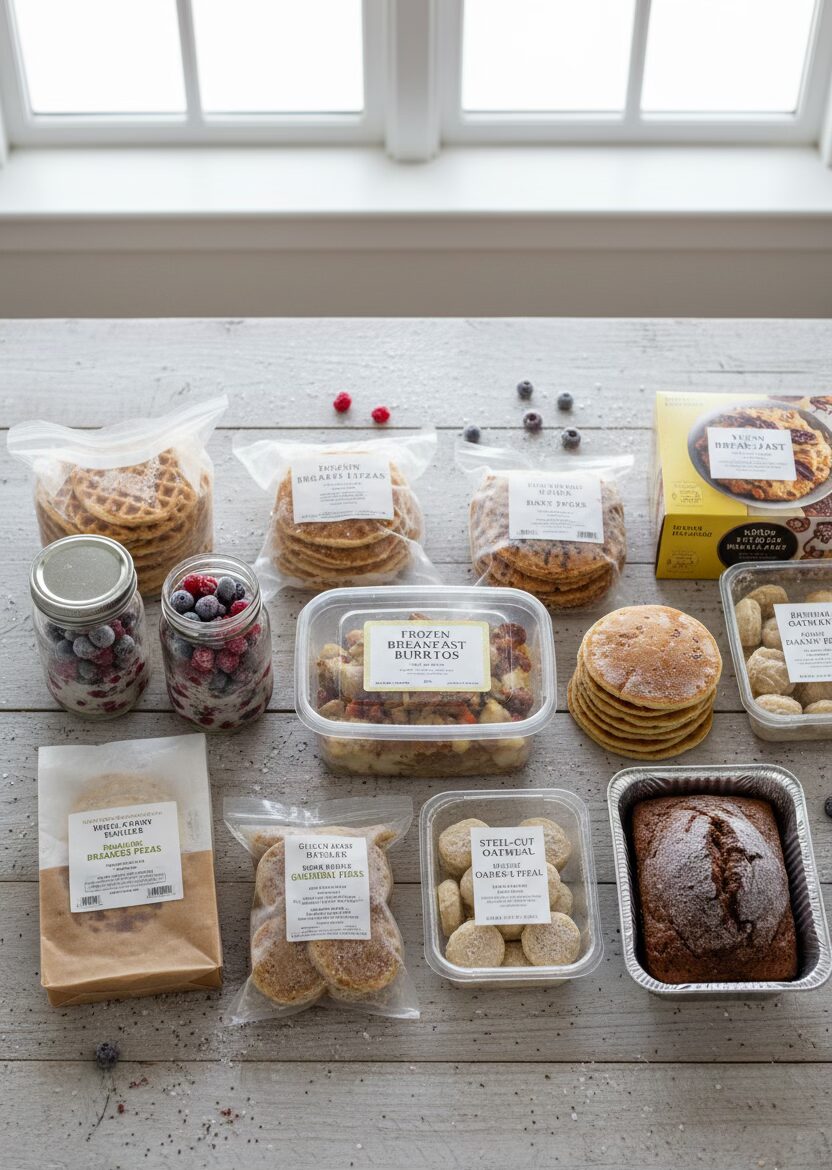
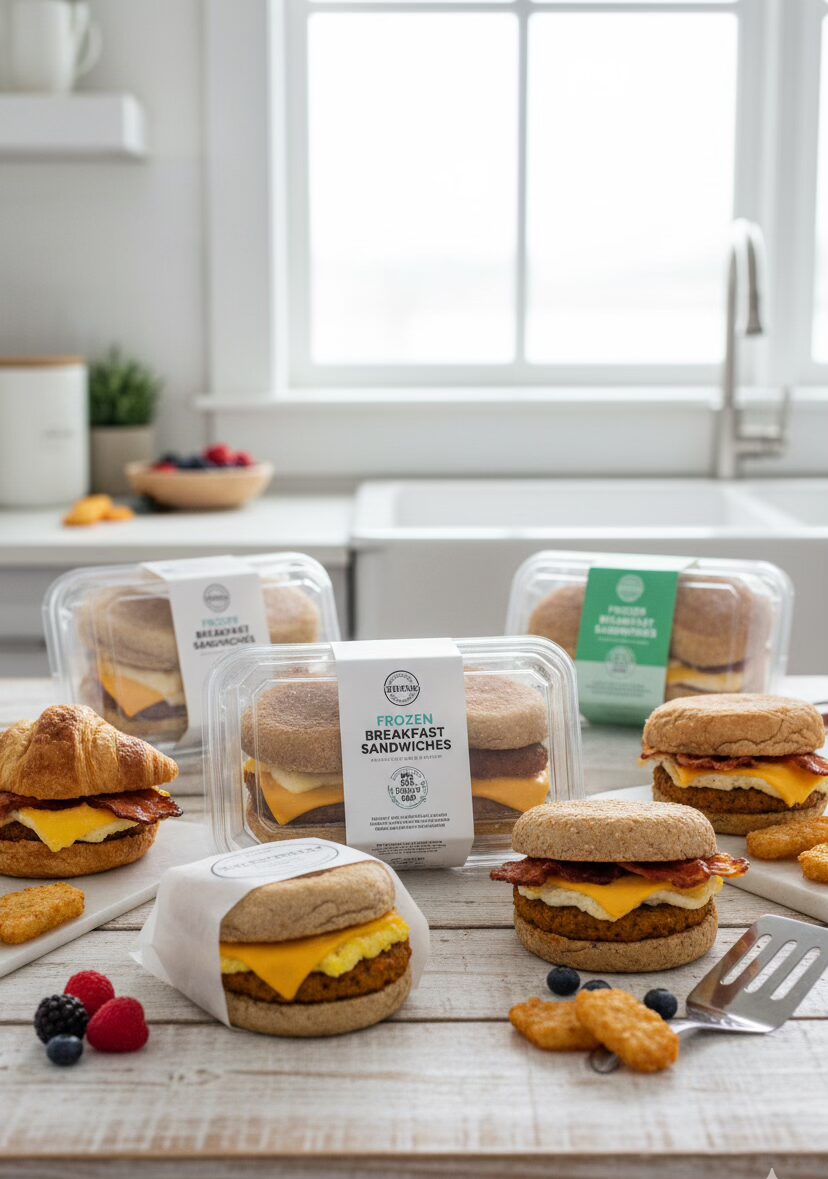
Classic Favorites
- Waffles and Pancakes: Available in whole grain, protein-enriched, and gluten-free varieties
- Breakfast Sandwiches: Featuring combinations of eggs, cheese, meat, and plant-based alternatives
- Breakfast Burritos: Filled with eggs, cheese, potatoes, and various proteins
Newer Innovations
- Breakfast Bowls: Complete meals with protein, vegetables, and grains
- Smoothie Packs: Pre-portioned frozen fruits and vegetables ready to blend
- Plant-Based Options: Vegan versions of traditional breakfast foods with impressive taste profiles
Nutritional Considerations
When evaluating frozen breakfast foods, nutrition should be a primary concern. The best options will provide a balance of macronutrients to fuel your morning:
- Protein: Look for items with at least 10-15g of protein to support satiety and muscle maintenance
- Fiber: Aim for 3-5g of fiber to support digestive health and provide lasting energy
- Sugar: Be wary of options with more than 10g of added sugar
- Sodium: Many frozen options are high in sodium; look for choices with less than 500mg per serving
Research shows that breakfast eaters tend to have better nutrient profiles overall, so choosing nutrient-dense frozen breakfast foods can contribute positively to your diet.
How to Select the Healthiest Frozen Breakfast Foods
Not all frozen breakfast foods are created equal. Here’s how to navigate the freezer aisle like a nutrition expert:
Read the Ingredient List
The shorter the ingredient list, the better. Look for recognizable ingredients that you might use in your own kitchen. Avoid items with artificial flavors, colors, and preservatives when possible.
Check the Nutrition Facts Panel
Beyond the standard macronutrients, pay attention to added sugars, sodium, and serving sizes, which can be misleading in packaged foods.
Consider Your Specific Dietary Needs
Whether you’re watching carbohydrates, following a plant-based diet, or avoiding allergens, today’s market offers specialized options to meet various dietary requirements.
Time-Saving Breakfast Strategies
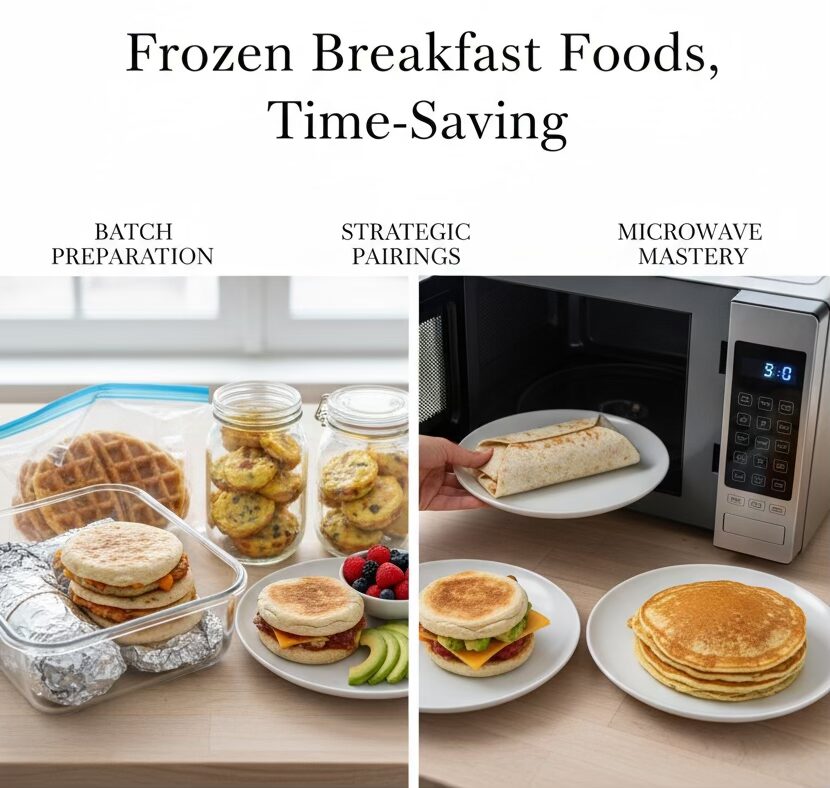
The primary appeal of frozen breakfast foods is convenience. Here are ways to maximize their time-saving benefits:
- Batch Preparation: Make your own freezer-friendly breakfast items on weekends
- Strategic Pairings: Combine frozen items with fresh components for balanced meals
- Microwave Mastery: Learn the optimal heating techniques for different frozen foods to ensure the best texture and taste
Common Mistakes to Avoid
Even with convenient frozen breakfast foods, there are pitfalls to watch for:
- Overlooking Portion Sizes: Some packages contain multiple servings, potentially leading to overconsumption
- Ignoring Preparation Instructions: Following package directions ensures food safety and optimal quality
- Relying Solely on Processed Options: Balance convenience foods with fresh additions for nutritional completeness
Storage Tips for Maximum Freshness
Proper storage extends the life and quality of your foods:
- Maintain your freezer at 0°F (-18°C) or below
- Store items in their original packaging or airtight containers to prevent freezer burn
- Follow “first in, first out” practices to use older items before newer purchases
- Consider dividing larger packages into single servings for easier use
Making Frozen Foods More Nutritious
Enhance the nutritional profile of frozen breakfast foods with these simple strategies:
- Add fresh fruit to frozen waffles or pancakes instead of syrup
- Pair frozen breakfast sandwiches with a side of fresh vegetables or fruit
- Supplement protein-light options with Greek yogurt or a hard-boiled egg
- Add a handful of nuts or seeds to increase healthy fats and protein
Conclusion
Frozen breakfast foods offer a practical solution for busy mornings when prepared meals seem impossible. By selecting wisely, storing properly, and complementing with fresh additions, these convenient options can be part of a balanced diet. The key is approaching the freezer aisle with knowledge rather than assumptions about what “frozen” means for your health and satisfaction. With today’s improved quality and variety, frozen breakfast items have earned their place in a modern, efficient kitchen.
FAQs
Are frozen breakfast foods healthy?
Some can be! Look for options with whole food ingredients, adequate protein, fiber, and limited added sugars and sodium. Many newer products are specifically designed with nutrition in mind.
How long do frozen breakfast foods last?
Most commercially prepared frozen breakfast items remain at peak quality for about 3-4 months, though they remain safe to eat beyond this time if continuously frozen.
Can I make my own frozen breakfast foods?
Absolutely! Homemade breakfast burritos, sandwiches, and smoothie packs freeze exceptionally well and give you complete control over ingredients.
What’s the best way to heat frozen breakfast foods?
It depends on the item. While microwaving offers the quickest solution, some items like waffles and certain sandwiches achieve better texture when heated in a toaster oven or air fryer.
Are there good options for specific diets like keto or vegan?
Yes, the market now includes numerous specialized options. Look for brands that specifically target these dietary preferences, or create your own freezer-friendly recipes that align with your eating plan.
![an image of [high protein breakfast burrito] dish presented in a table](https://www.passionofcooking.com/wp-content/uploads/2026/01/high-protein-breakfast-burrito-dish-presented-in-a-table-768x576.webp "The Ultimate High Protein Breakfast Burrito 5")
![an image of [high protein breakfast cereal] dish presented in a table](https://www.passionofcooking.com/wp-content/uploads/2026/01/high-protein-breakfast-cereal-dishwebp-768x576.webp "10 High Protein Breakfast Cereals That Actually Taste Great 7")