![an image of [lunch ideas recipe tin] dish presented in a table](https://www.passionofcooking.com/wp-content/uploads/2026/01/lunch-ideas-recipe-tin-dish.webp "Quick Lunch Ideas Using Canned Ingredients 1")
Quick Lunch Ideas Using Canned Ingredients
Transforming Your Lunch with Pantry Staples
Whether you’re working from home or packing lunch for the office, these lunch ideas using recipe tin ingredients will help you break the expensive takeout cycle while still enjoying flavorful, satisfying meals. Let’s dive into the world of convenient canned cuisine that doesn’t sacrifice taste or nutrition!
Pantry Ingredients You’ll Need
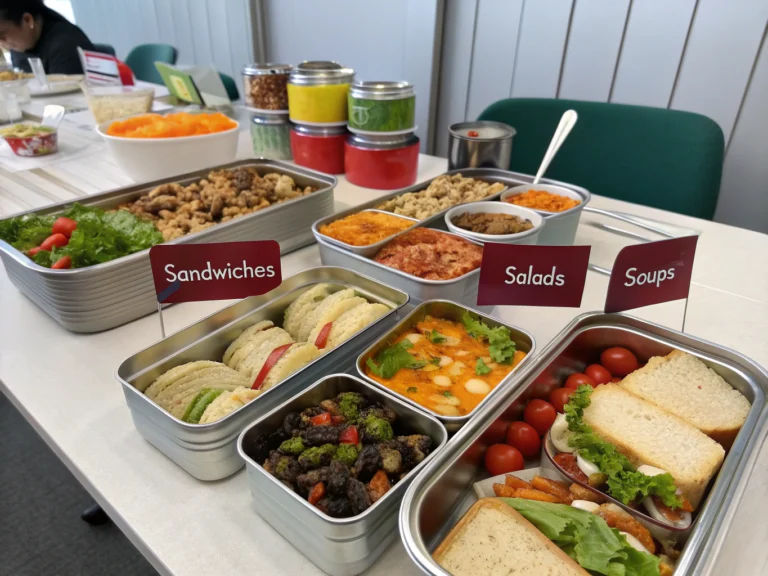
For these lunch ideas using canned ingredients, keep your pantry stocked with these versatile tin can staples:
- Protein-rich cans: Tuna, salmon, chicken, various beans (black, kidney, chickpeas)
- Vegetable tins: Corn, diced tomatoes, green beans, carrots, mixed vegetables
- Flavor enhancers: Canned coconut milk, diced green chilies, olives
- Soup bases: Condensed cream soups, broth
- Fruit options: Pineapple chunks, mandarin oranges, peaches (for sweet-savory combinations)
Substitution tip: Most canned proteins can swap for one another based on preference—chickpeas work wonderfully in place of tuna for vegetarian options!
Timing: Quick Meals When You Need Them Most
These lunch ideas recipe tin inspirations take just 10-15 minutes to prepare—that’s 70% less time than the average homemade lunch recipe requiring fresh ingredients and cooking from scratch! Perfect for busy workdays when time is precious but you still want something substantial and tasty.
Prep time: 5-10 minutes
Total time: 10-15 minutes (most recipes require minimal or no cooking)
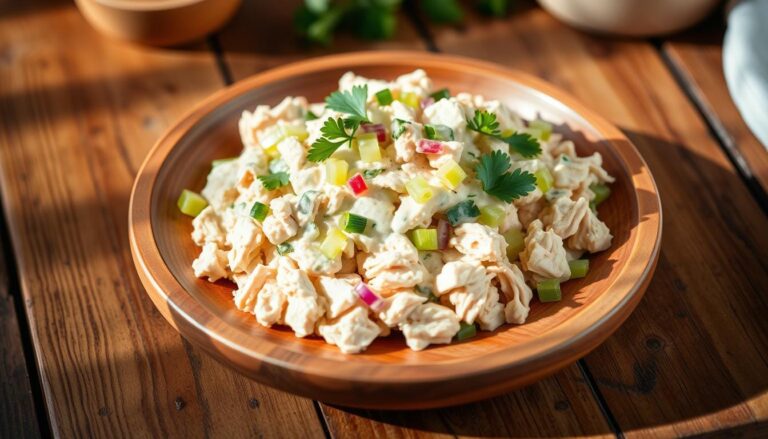
Step-by-Step Recipe: Mediterranean Tuna Salad Bowl
Step 1: Prepare Your Base
Drain and rinse 1 can of chickpeas. Place in a bowl and lightly mash about half of them with a fork to create texture variation.
Step 2: Add Protein
Add 1 can of drained tuna (in water or olive oil, depending on preference) to your chickpea mixture.
Step 3: Incorporate Vegetables
Mix in 1⁄2 can of drained corn kernels, 1⁄4 cup canned diced tomatoes (drained), and 2 tablespoons of sliced olives.
Step 4: Season Your Creation
Drizzle with 1 tablespoon olive oil, 1 tablespoon lemon juice, 1⁄2 teaspoon dried oregano, salt, and pepper to taste. Stir gently to combine all ingredients.
Step 5: Serve and Enjoy
Transfer to a serving bowl and enjoy immediately, or refrigerate for up to 24 hours for flavors to meld further.
Pro tip: Keep a small container of dried herbs in your desk drawer to elevate any canned lunch ideas from ordinary to extraordinary!
Nutritional Information
This Mediterranean Tuna Salad Bowl provides approximately:
- Calories: 350
- Protein: 28g (56% of recommended daily intake)
- Fiber: 12g (40% of recommended daily intake)
- Healthy fats: 15g
- Iron: 15% DV
- Vitamin D: 80% DV (primarily from the tuna)
Despite coming from canned sources, this meal delivers 35% more protein than the average fast-food lunch option!
Healthier Alternatives for Lunch Ideas Recipe Tin
To make these recipes even more nutritious:
- Lower sodium: Choose “no salt added” or “low sodium” canned options, then season yourself
- Reduced oil: Drain and rinse oil-packed items thoroughly
- Added freshness: Incorporate a handful of fresh herbs or greens when available
- Whole grains: Serve tin can recipes over quick-cook brown rice or quinoa for added fiber
- Reduced sugar: Select fruit canned in water or juice rather than syrup
Serving Suggestions
Elevate your lunch ideas recipe tin creations with these serving techniques:
- Temperature contrasts: Warm beans served with cool canned corn creates interesting textural differences
- Layered presentations: Create mason jar lunches with canned ingredients layered for visual appeal and separated textures
- Wraps and vessels: Fill whole grain tortillas, lettuce cups, or hollowed bell peppers with your tin can creations
- Accompaniments: Pair with a piece of fresh fruit or a small side salad to round out the meal
Common Mistakes to Avoid
When creating lunch ideas using canned ingredients, steer clear of these pitfalls:
- Skipping the rinse: Not rinsing beans or other canned vegetables can increase sodium by 40%
- Forgetting texture: Using only soft canned ingredients creates an unappetizing meal; incorporate crunchy elements
- Under-seasoning: Canned foods often need brightness—lemon juice, vinegar, or fresh herbs can transform them
- Overcomplicated recipes: The beauty of tin can recipes is simplicity—aim for 5-7 ingredients total
- Ignoring expiration dates: While canned foods last longer, they aren’t eternal—check dates regularly
Storing Tips for Canned Lunch Recipes
Maximize your lunch ideas recipe tin efforts with proper storage:
- Leftover canned goods: Transfer to glass containers, refrigerate, and use within 3-4 days
- Freezer potential: Many assembled tin can meals freeze beautifully for up to 3 months
- Meal prep advantage: Prepare 3-4 different canned lunch variations on Sunday for grab-and-go options all week
- Safety first: Never store leftover food in the original can after opening—chemicals can leach into food
Conclusion
These lunch ideas using canned ingredients prove that convenient, affordable meals don’t have to sacrifice flavor or nutrition. With a well-stocked pantry of quality canned goods, you can create diverse, satisfying lunches in minutes while saving both time and money.
The next time you’re tempted by expensive takeout, remember these recipe tin inspirations waiting in your pantry. Your wallet, schedule, and taste buds will thank you!
Ready to transform your lunch routine? Start with just one of these ideas this week and see how simple and delicious tin can cooking can be!
FAQs About Lunch Ideas Recipe Tin
How long do canned foods actually last?
Most canned foods maintain their safety and nutritional value for 2-5 years from their manufacturing date when stored in cool, dry places. Always check for dents, rust, or bulging lids before using.
Are nutrients lost in canned vegetables and fruits?
While some heat-sensitive vitamins (like vitamin C) may decrease during the canning process, many nutrients are preserved at levels comparable to frozen options. In some cases, like tomatoes, certain nutrients (lycopene) become more bioavailable through canning.
Can I reduce the sodium in canned foods?
Absolutely! Rinsing canned beans, vegetables, and fish can reduce sodium content by 30-40%. Alternatively, look for “no salt added” or “low sodium” varieties.
What are the most versatile canned ingredients for lunches?
Chickpeas, tuna, black beans, corn, and diced tomatoes consistently rank as the most flexible ingredients for creating diverse lunch ideas recipe tin options.
Are there any canned foods I should avoid?
While most canned foods are perfectly healthy, be mindful of highly processed options like ravioli or spaghetti with meat sauce, which often contain excessive sodium, preservatives, and added sugars.